 GMP & Regulated Facilities→
 Manufacturing & Warehouse→
 K-12 & Education→
 Commercial & Office→
 Life Sciences & Laboratories→
Industries we serve
Different rules.
Same accountability.
A regulated production floor, a school campus and a multi-tenant office — each scoped on its own terms, all documented.
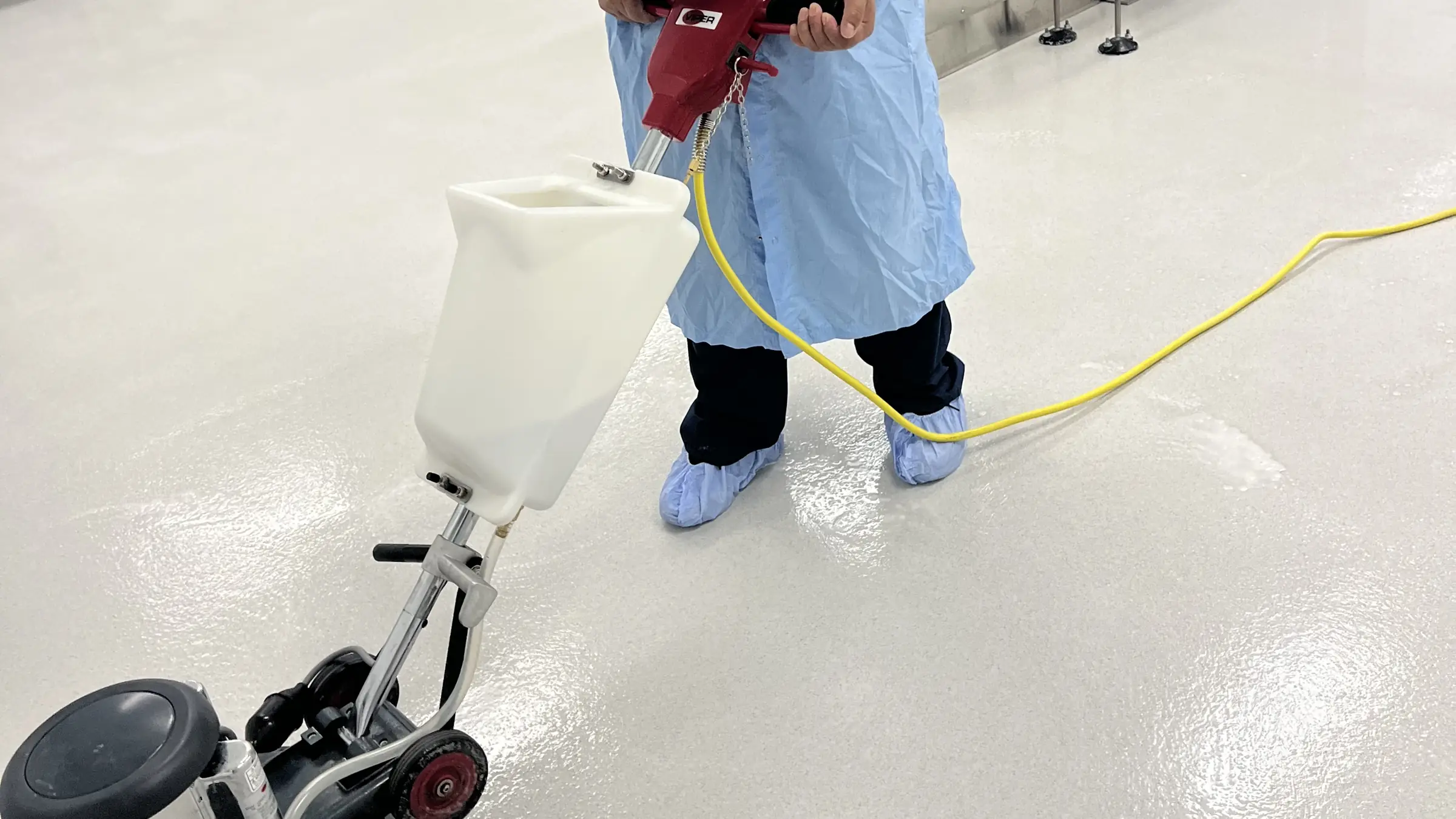
GMP & Regulated Facilities
In a regulated environment, cleaning is not a housekeeping function — it is a documented process subject to review. The question is never just whether the room is clean; it is whether you can demonstrate how it was cleaned, by whom, with what, and how often.
See how we work hereManufacturing & Warehouse
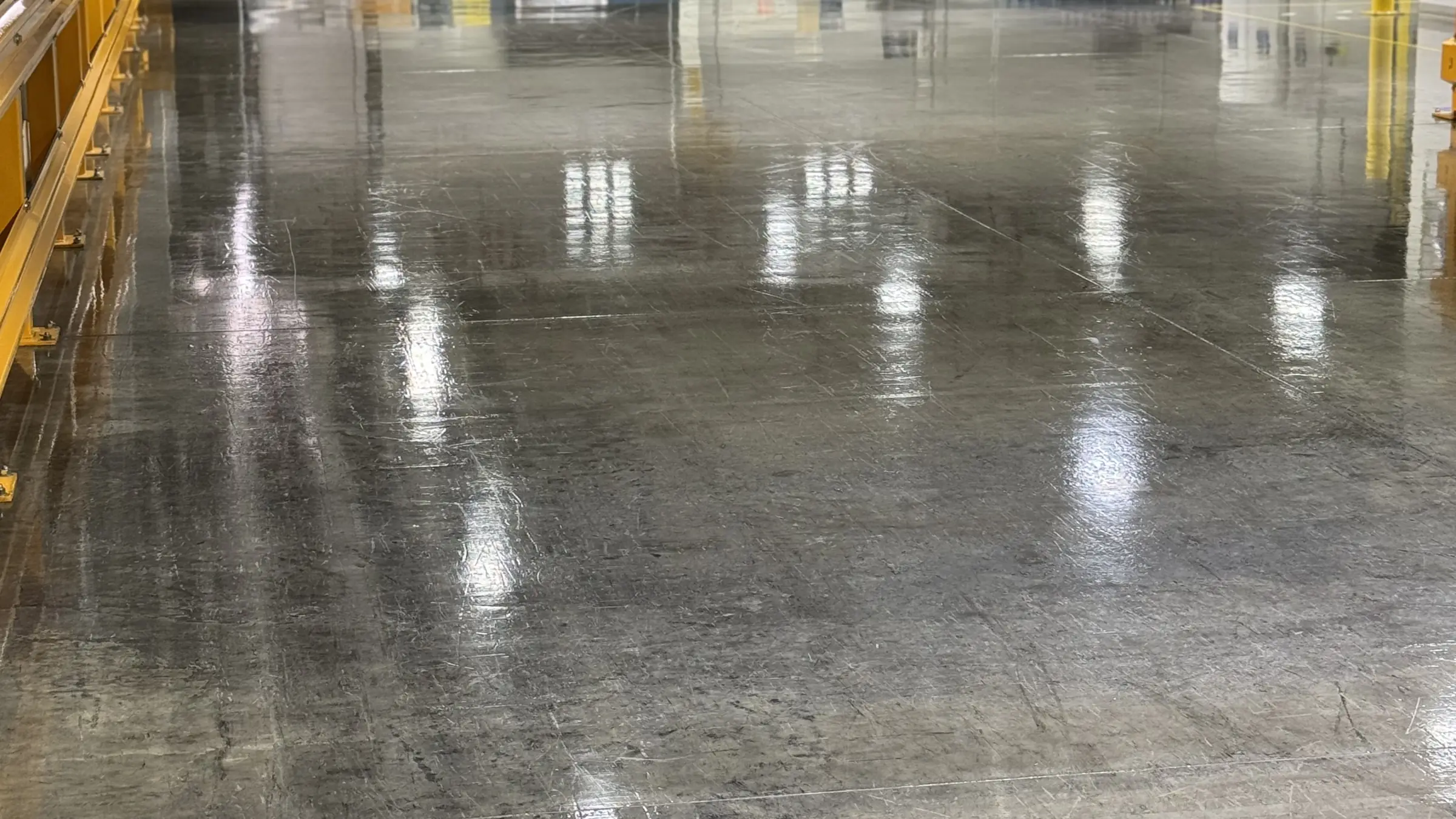
A production facility does not stop for cleaning, and it should not have to. The work gets scheduled around shifts, changeovers and planned downtime — and the crew understands that the forklift always has the right of way.
See how we work hereK-12 & Education
School facilities run on a calendar, not a clock. The summer window is short, the expectations at open are absolute, and every adult in the building during the school year is subject to scrutiny. Nexara staffs and schedules accordingly.
See how we work hereCommercial & Office
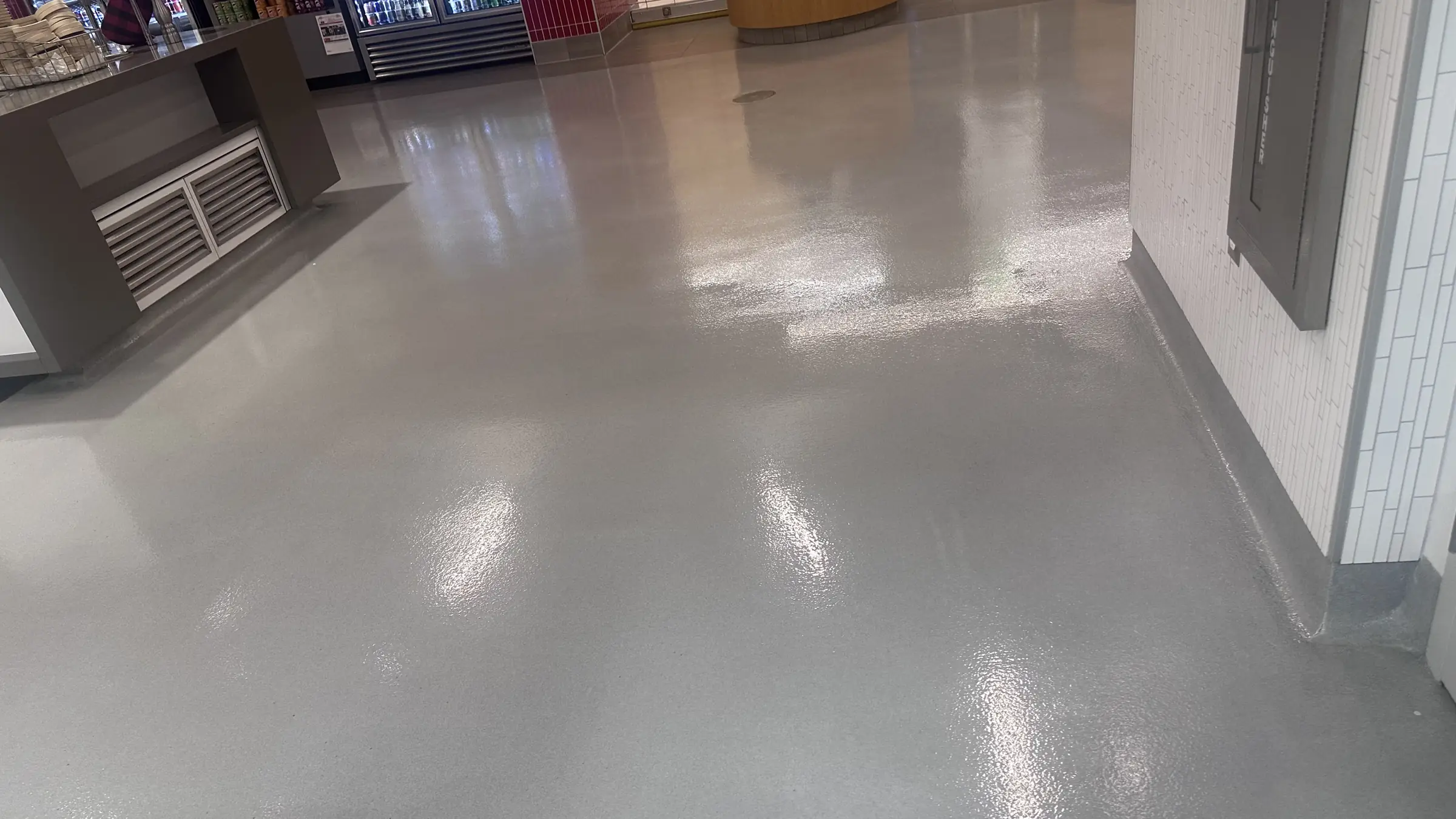
For a property manager, cleaning is a tenant-retention line item. Lobbies, restrooms and glass are what a renewing tenant notices and what a prospective one judges. Nexara keeps those surfaces consistently presentable rather than presentable on inspection day.
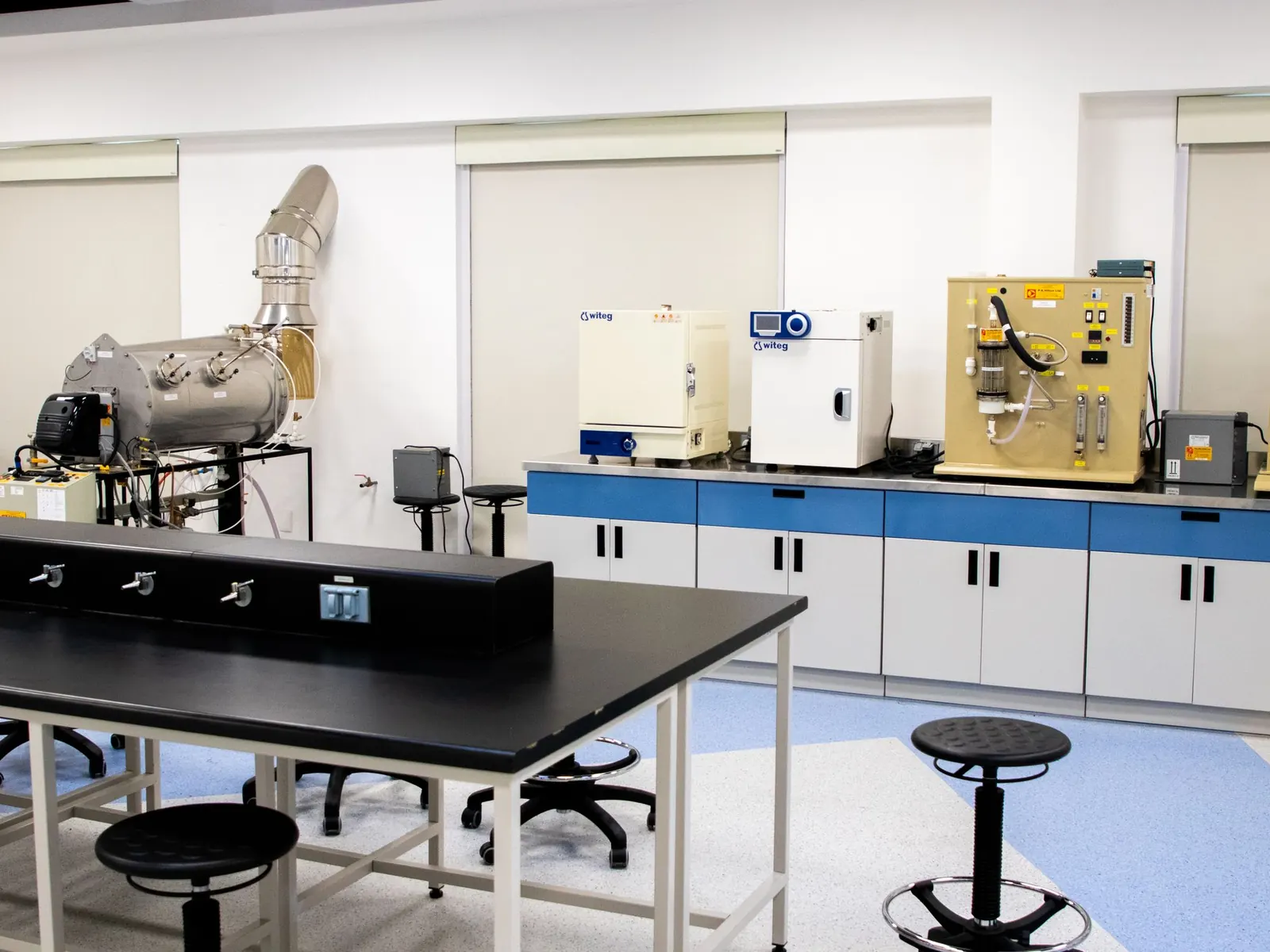
See how we work hereLife Sciences & Laboratories
A life-science building is two buildings in one: laboratories and controlled spaces with their own rules, and the offices, corridors and shared areas around them. The cleaning program has to know exactly where one ends and the other begins — who may enter, what chemistry is allowed, and what gets documented.
See how we work here
Every environment, its own program.
Why does cleaning look different across industries?
Cleaning requirements differ by industry because each environment has its own documentation needs, scheduling constraints, chemical restrictions and critical surfaces. A GMP production floor and a school corridor may look similarly clean on the surface but are scoped against entirely different standards underneath.
Applying one generic janitorial template across a commercial office, a warehouse and a lab is how gaps happen — either over-servicing a low-risk space or under-servicing one with a real compliance requirement. Nexara scopes each of its five industries on its own terms.
How do Nexara's five industry categories compare?
Commercial and office, manufacturing and warehouse, K-12 and education, GMP and regulated, and life sciences and laboratories differ most sharply on documentation requirements, scheduling windows, chemistry control and which surfaces matter most to the operation.
Documentation, scheduling, chemistry and key surfaces by industry
- Documentation
- Light — service log
- Scheduling constraint
- After hours, tenant traffic
- Chemistry control
- Standard commercial chemistry
- Key surfaces
- Carpet, glass, restrooms, common areas
- Documentation
- Moderate — shift logs
- Scheduling constraint
- Around production and shift change
- Chemistry control
- Facility-approved chemistry near product
- Key surfaces
- Sealed concrete, racking, dock aprons, overhead
- Documentation
- Moderate — district records
- Scheduling constraint
- Outside school hours, breaks
- Chemistry control
- Per district procurement policy
- Key surfaces
- VCT corridors, cafeterias, gyms, restrooms
- Documentation
- High — inspection-ready records
- Scheduling constraint
- Coordinated with production windows
- Chemistry control
- Facility-specified, validated chemistry
- Key surfaces
- Production floors, walls, overhead, gowning areas
- Documentation
- High — protocol-driven records
- Scheduling constraint
- Coordinated around active research
- Chemistry control
- Lab-compatible, contamination-aware chemistry
- Key surfaces
- Bench areas, cleanroom-adjacent zones, corridors
| Industry | Documentation | Scheduling constraint | Chemistry control | Key surfaces |
|---|---|---|---|---|
| Commercial & office | Light — service log | After hours, tenant traffic | Standard commercial chemistry | Carpet, glass, restrooms, common areas |
| Manufacturing & warehouse | Moderate — shift logs | Around production and shift change | Facility-approved chemistry near product | Sealed concrete, racking, dock aprons, overhead |
| K-12 & education | Moderate — district records | Outside school hours, breaks | Per district procurement policy | VCT corridors, cafeterias, gyms, restrooms |
| GMP & regulated | High — inspection-ready records | Coordinated with production windows | Facility-specified, validated chemistry | Production floors, walls, overhead, gowning areas |
| Life sciences & labs | High — protocol-driven records | Coordinated around active research | Lab-compatible, contamination-aware chemistry | Bench areas, cleanroom-adjacent zones, corridors |
How much cleaning documentation does each industry actually need?
Commercial offices typically need only a basic service log, while GMP, regulated and life-science environments often require inspection-ready records tied to a written standard because an auditor or client may ask for them. K-12 sits in between, with district-level recordkeeping expectations.
Nexara's scheduled inspections apply on every account, but the level of formal documentation attached to them is scoped to what the facility actually needs to produce — not applied uniformly regardless of environment.
What scheduling constraints matter most by industry?
Manufacturing and GMP facilities need cleaning coordinated tightly around production and shift changes; schools need work confined to outside school hours and breaks; offices are the most flexible, typically after-hours or overnight; labs need coordination around active research that cannot be interrupted.
Getting this wrong is more than an inconvenience — a crew cleaning a production aisle during a shift change is a safety incident waiting to happen, and a crew in a school hallway during class hours is a policy violation. Scheduling is confirmed during the walkthrough for every account.
Why do chemistry and surface priorities change by facility type?
Regulated and lab environments often specify or restrict which chemistry can be used near product or research; school districts set product rules through their own procurement policies; and each facility type has surfaces that carry outsized risk if neglected — overhead structure in a plant, gowning areas in GMP, VCT corridors in a school.
- GMP and life-science facilities: chemistry is often specified by the facility, not chosen freely
- K-12: products follow the district's procurement policy; EPA Safer Choice is one reference districts can use
- Manufacturing and warehouse: overhead structure (high dusting) carries outsized risk if ignored
- Commercial office: carpet and glass drive the visible impression most
What facility managers ask us.
Does Nexara have industry certifications for GMP or life-science cleaning?
Ask any vendor, including Nexara, directly about specific certifications relevant to your facility's regulatory requirements before signing a contract. Nexara scopes cleaning to whatever standard and chemistry your facility specifies, confirmed during the walkthrough.
Can one company really serve both a school and a manufacturing plant well?
Yes, as long as each account is scoped on its own terms rather than a shared template. Nexara treats a school's chemistry and hours restrictions and a plant's production-schedule constraints as separate scoping problems, not variations of the same job.
What happens if our facility's compliance requirements change after the scope is written?
The written scope is a working document, not a fixed contract signed once and forgotten. A change in requirements — a new inspection standard, a chemistry restriction — is addressed by revising the scope, confirmed with the owner directly.
Do GMP and life-science facilities need a different type of crew training?
Yes. Crews working in regulated or lab-adjacent environments are briefed on that facility's own SOPs, gowning and schedule before working in it, as part of the standard staffing step in Nexara's process — not treated as interchangeable with a commercial office crew.
Is K-12 cleaning scoped differently from commercial office cleaning?
Yes, primarily on chemistry (set by the district's procurement policy) and scheduling (heavy work outside school hours and during breaks), even though both share some surfaces like restrooms and common areas. See the comparison table above for the full breakdown.
Which industry has the strictest documentation requirements?
GMP and regulated facilities and life sciences and laboratories generally require the most inspection-ready, protocol-driven records, since an internal or external auditor may request them. Commercial office facilities typically need only a basic service log.
Reviewed by Nexara Facility Services · Updated
No proposal before a walkthrough
Let's walk your facility.
Every scope starts with a walkthrough. We look at the building, ask what is actually going wrong today, and come back with a written scope and a number — not a brochure.