Cleaned, documented,
audit-ready.
Documented procedures, trained crews, and records that survive an audit.
- 01Written, followed, and recorded procedures
- 02Chemistry and materials control
- 03Crews trained to the environment
- 04Escalation that reaches a decision-maker
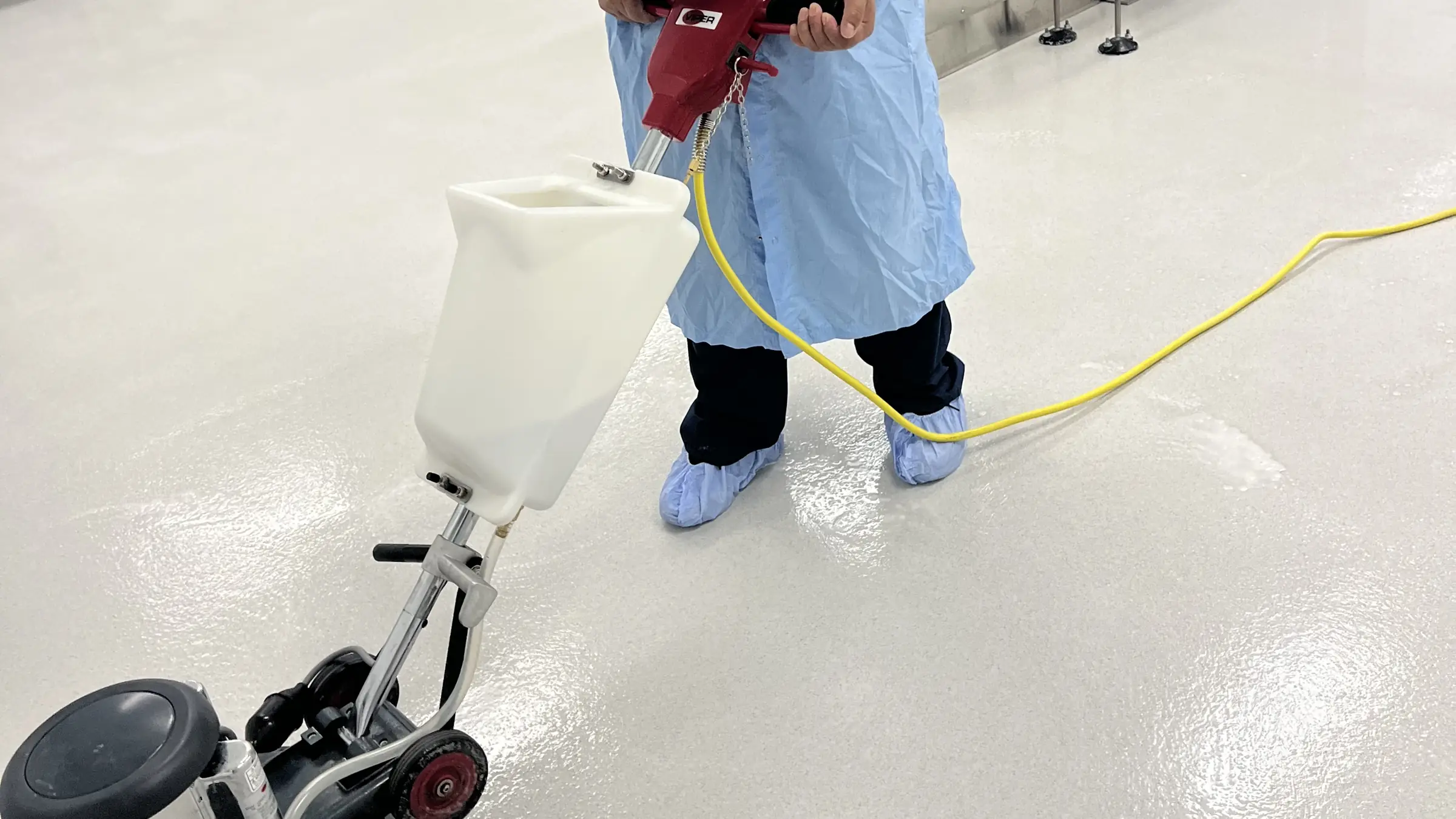
In a regulated environment, cleaning is not a housekeeping function — it is a documented process subject to review. The question is never just whether the room is clean; it is whether you can demonstrate how it was cleaned, by whom, with what, and how often.
Four things we hold to.
- 01
Written, followed, and recorded procedures
Defined cleaning procedures per area classification, with completion records you can produce on request rather than reconstruct after the fact.
- 02
Chemistry and materials control
Approved chemistry, controlled dilution and dedicated materials by area, so cleaning does not become the source of a cross-contamination finding.
- 03
Crews trained to the environment
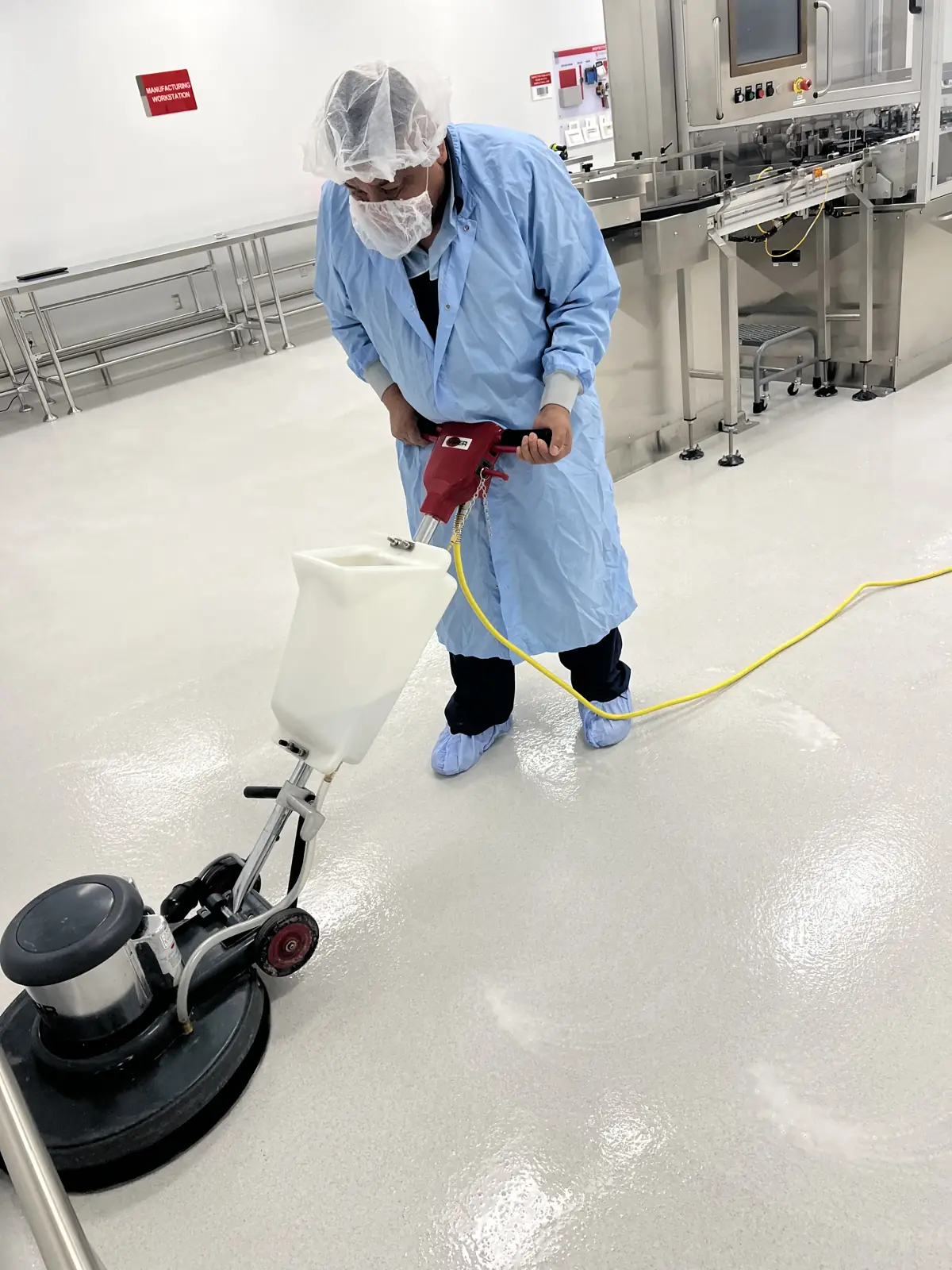
Gowning, flow and behavior appropriate to the space. Crews are trained to the facility's requirements before they work in it, not after a finding.
- 04
Escalation that reaches a decision-maker
When something is observed that should not be, it reaches the owner directly and immediately — not a supervisor queue.
What do regulators actually expect from cleaning in a GMP facility?
FDA's current good manufacturing practice rules (21 CFR 211 for drugs, with parallel rules in 21 CFR 111 for supplements and 21 CFR 117 for food) require written sanitation procedures, defined cleaning and equipment-maintenance schedules, and dated, signed records — not just a clean-looking room. An inspector reviews the documentation as closely as the surface.
21 CFR 211.56, the core sanitation rule for pharmaceutical facilities, requires that buildings be kept clean and free of pest infestation, and — more specifically — that there be "written procedures assigning responsibility for sanitation and describing in sufficient detail the cleaning schedules, methods, equipment, and materials to be used," and that those procedures be followed. Section 211.56(c) adds written procedures for the use of suitable cleaning and sanitizing agents and pest-control chemicals, designed to prevent contamination of equipment, components and product.
21 CFR 111 (dietary supplements) and 21 CFR 117 (human food, under the Food Safety Modernization Act) carry parallel sanitation and equipment-maintenance obligations sized to their own industries. The common thread across all three: a written scope, a schedule, defined materials, and a record — the same structure Nexara defines before staffing any account. The GMP cleaning requirements guide walks through each part section by section.
Is equipment cleaning different from facility cleaning under GMP?
Yes. 21 CFR 211.67 governs product-contact equipment cleaning separately from 211.56's facility sanitation — equipment cleaning is typically a validated, in-house or specialized-vendor process, while Nexara's scope is the building around it: floors, walls, fixtures, non-product-contact surfaces, and the controlled-area housekeeping that supports the equipment program.
21 CFR 211.67 requires written procedures covering, at minimum: responsibility assignment; maintenance and cleaning schedules including sanitizing schedules where appropriate; a detailed description of methods, equipment, and materials; removal of prior batch identification; protection of clean equipment from contamination before use; and inspection of equipment for cleanliness immediately before use. That is a validated, product-contact process — almost always owned by the manufacturer's own operations or a specialized equipment-cleaning vendor, not a janitorial contractor.
Who typically owns which cleaning function in a regulated facility
Product-contact equipment
- Governing rule
- 21 CFR 211.67 / 211.182
- Typically owned by
- In-house operations or specialized equipment-cleaning vendor
Production room floors, walls, fixtures
- Governing rule
- 21 CFR 211.56
- Typically owned by
- Contract cleaner (Nexara's GMP-specialized cleaning)
Gowning rooms, airlocks, corridors
- Governing rule
- 211.56 / facility SOPs
- Typically owned by
- Contract cleaner, qualified to the site's SOPs for that area
Warehouse, receiving, non-controlled office space
- Governing rule
- General housekeeping
- Typically owned by
- Contract cleaner
| Area | Governing rule | Typically owned by |
|---|---|---|
| Product-contact equipment | 21 CFR 211.67 / 211.182 | In-house operations or specialized equipment-cleaning vendor |
| Production room floors, walls, fixtures | 21 CFR 211.56 | Contract cleaner (Nexara's GMP-specialized cleaning) |
| Gowning rooms, airlocks, corridors | 211.56 / facility SOPs | Contract cleaner, qualified to the site's SOPs for that area |
| Warehouse, receiving, non-controlled office space | General housekeeping | Contract cleaner |
Where the line falls on your site is set by your own validated master plan, not by Nexara. Before any work begins in a controlled area, the boundary between equipment cleaning and facility cleaning — and who signs off on each — is written into the scope, not assumed.
What has to be in a cleaning log for an FDA-regulated facility?
21 CFR 211.182 requires equipment cleaning and use logs to show the date, time, product, and lot number for each use, in chronological order, with the person who performed and the person who verified the work dating and signing or initialing the entry. Facility (room-level) cleaning records follow the same logic even where the specific rule doesn't apply.
- Date and time the cleaning or maintenance was performed
- What was cleaned — the specific piece of equipment, room, or zone
- Product and lot number, where the log covers product-contact equipment
- Method, agent, and dilution used, tied back to the written procedure it satisfies
- Signature or initials of the person who performed the work
- Signature or initials of the person who verified it, where a second check is specified
For dedicated equipment used only for one product in strict numerical batch sequence, 211.182 allows the cleaning record to live in the batch record instead of a separate equipment log — but the underlying discipline (chronological, signed, dated) doesn't change. Nexara's account documentation follows the same discipline for facility-level work: a completion record per visit, in a format your quality team can pull rather than reconstruct after the fact.
Why does chemistry rotation and control matter in a regulated environment?
Using the wrong agent, an unapproved dilution, or a shared tool across zones is how cleaning itself becomes a contamination or residue finding. 21 CFR 211.56(c) requires written procedures for the use of cleaning and sanitizing agents, designed to prevent contamination — so agent choice isn't left to the crew's judgment on the day.
A GMP cleaning scope names the approved agents by area, the dilution, the application method, and — where the site requires it — a rotation between agents to manage resistance or residue buildup. Materials (mops, wipes, buckets) are dedicated by zone, not carried between a controlled production room and a general-use corridor.
- Approved-chemistry list reviewed against your quality department before the account starts, not after
- Dedicated tools and materials per classified area, color-coded where the site uses that system
- No substitutions on the day — a chemistry change goes through your change-control process first
- Crew briefed on the specific agent and its intended surface, per the site's SOP, before they touch a controlled area
Contract cleaner or in-house staff — who's responsible for what?
The regulation attaches to the facility, not to whoever holds the mop — the site owner remains accountable to FDA regardless of who performs the cleaning. A contract cleaner's job is to execute the written procedure exactly as specified and document that it happened; the facility's quality function retains the procedure, the approval, and the audit response.
Typical division of responsibility on a GMP cleaning account
Written SOP content and approval
- Facility (client)
- Owns
- Contract cleaner
- Executes to it
Approved chemistry list
- Facility (client)
- Approves
- Contract cleaner
- Uses only what's approved
Daily/scheduled execution
- Facility (client)
- Oversees
- Contract cleaner
- Performs and records
Completion records
- Facility (client)
- Reviews, retains for audit
- Contract cleaner
- Produces per visit
Crew qualification to the site's SOPs
- Facility (client)
- Defines requirements
- Contract cleaner
- Meets them before entry, and again when an SOP changes
Regulatory response during an inspection
- Facility (client)
- Owns
- Contract cleaner
- Not present
| Responsibility | Facility (client) | Contract cleaner |
|---|---|---|
| Written SOP content and approval | Owns | Executes to it |
| Approved chemistry list | Approves | Uses only what's approved |
| Daily/scheduled execution | Oversees | Performs and records |
| Completion records | Reviews, retains for audit | Produces per visit |
| Crew qualification to the site's SOPs | Defines requirements | Meets them before entry, and again when an SOP changes |
| Regulatory response during an inspection | Owns | Not present |
Nexara's model is built around that split: the owner defines the program — scope, inspection standard, escalation path — before staffing it, so the facility isn't handing its regulatory exposure to a vendor that shows up and waits to be told what to do each visit.
What happens when a cleaning crew sees something wrong in a controlled area?
It gets escalated immediately to a named contact, not logged for the next scheduled review. A crew that notices a broken seal, a chemistry mix-up, or damage to a controlled surface and sits on it until the weekly report turns a minor issue into a documented deviation.
- 01
Observation
Crew member identifies something outside the written scope — damage, an unexpected substance, a locked-out area they weren't told about.
- 02
Stop and isolate
Work in that specific area pauses; the crew does not attempt to resolve or clean around the issue on their own judgment.
- 03
Direct notification
The issue reaches the facility's named contact as soon as it's found — not a supervisor queue, not the next weekly meeting.
- 04
Documented resolution
What was observed, when, and how it was resolved gets recorded on both sides before work in that area resumes.
What facility managers ask us.
Does Nexara hold FDA GMP certification?
No. FDA does not certify contract cleaning companies, and Nexara does not claim GMP registration, certification, or FDA approval of any kind. What Nexara provides is a documented cleaning program — written scope, approved chemistry, schedule, and completion records — built to support a facility's own compliance function under 21 CFR 211, 111, or 117.
Can a contract cleaner touch product-contact equipment?
Generally no. Product-contact equipment cleaning under 21 CFR 211.67 is typically validated and owned by the manufacturer's operations team or a specialized equipment-cleaning vendor. A janitorial contractor's scope is the facility around the equipment — floors, walls, fixtures, and non-product-contact surfaces — with the boundary defined in writing before work starts.
What's the difference between 21 CFR 211, 111, and 117?
211 covers current good manufacturing practice for finished pharmaceuticals; 111 covers dietary supplements; 117 covers human food under the Food Safety Modernization Act. Each has its own sanitation and record-keeping detail, but all three require written procedures, defined schedules, approved materials, and documented records — the same structural expectation applied to a different product.
How often should cleaning logs be reviewed?
That's set by the facility's own quality system, not by the cleaning vendor. What matters operationally is that records exist per visit, in chronological order, dated and signed, so a quality reviewer can pull a specific date's record on demand rather than waiting on the cleaning contractor to reconstruct it.
Do gowning requirements apply to cleaning crews in controlled areas?
Yes, to whatever standard the facility's own area classification requires. Crews assigned to a controlled or classified area learn that area's gowning, flow, and behavior requirements before they work in it — set by the facility's SOPs, not by the cleaning company's general practice. High dusting in those rooms follows the same entry rules.
What happens if a cleaning agent isn't on the approved list?
It doesn't get used. 21 CFR 211.56(c) requires written procedures for the use of cleaning and sanitizing agents, so the approved list is part of the facility's procedure, and a substitution — even a seemingly equivalent product — goes through the facility's change-control process before it's introduced, not decided on the day by whoever is on site.
Is a written scope required, or is a verbal understanding enough?
For a GMP-regulated facility, a verbal understanding does not survive an inspection. A written scope naming the areas, frequencies, methods, approved materials, and record format is the baseline both FDA's own rules and any competent quality department will expect before cleaning work begins in a controlled area.
Does Nexara serve food and supplement facilities, or only pharmaceutical?
Nexara's GMP-specialized cleaning is structured around the common requirement across 21 CFR 211, 111, and 117 — written procedures, schedules, and records — and applies to any regulated production environment in Nexara's service area that needs that structure, not exclusively pharmaceutical sites.
- Cornell Law School Legal Information Institute — 21 CFR 211.56, Sanitation
- Cornell Law School Legal Information Institute — 21 CFR 211.67, Equipment cleaning and maintenance
- Cornell Law School Legal Information Institute — 21 CFR 211.182, Equipment cleaning and use log
- U.S. FDA — Facts About the Current Good Manufacturing Practice (CGMP)
Reviewed by Nexara Facility Services · Updated
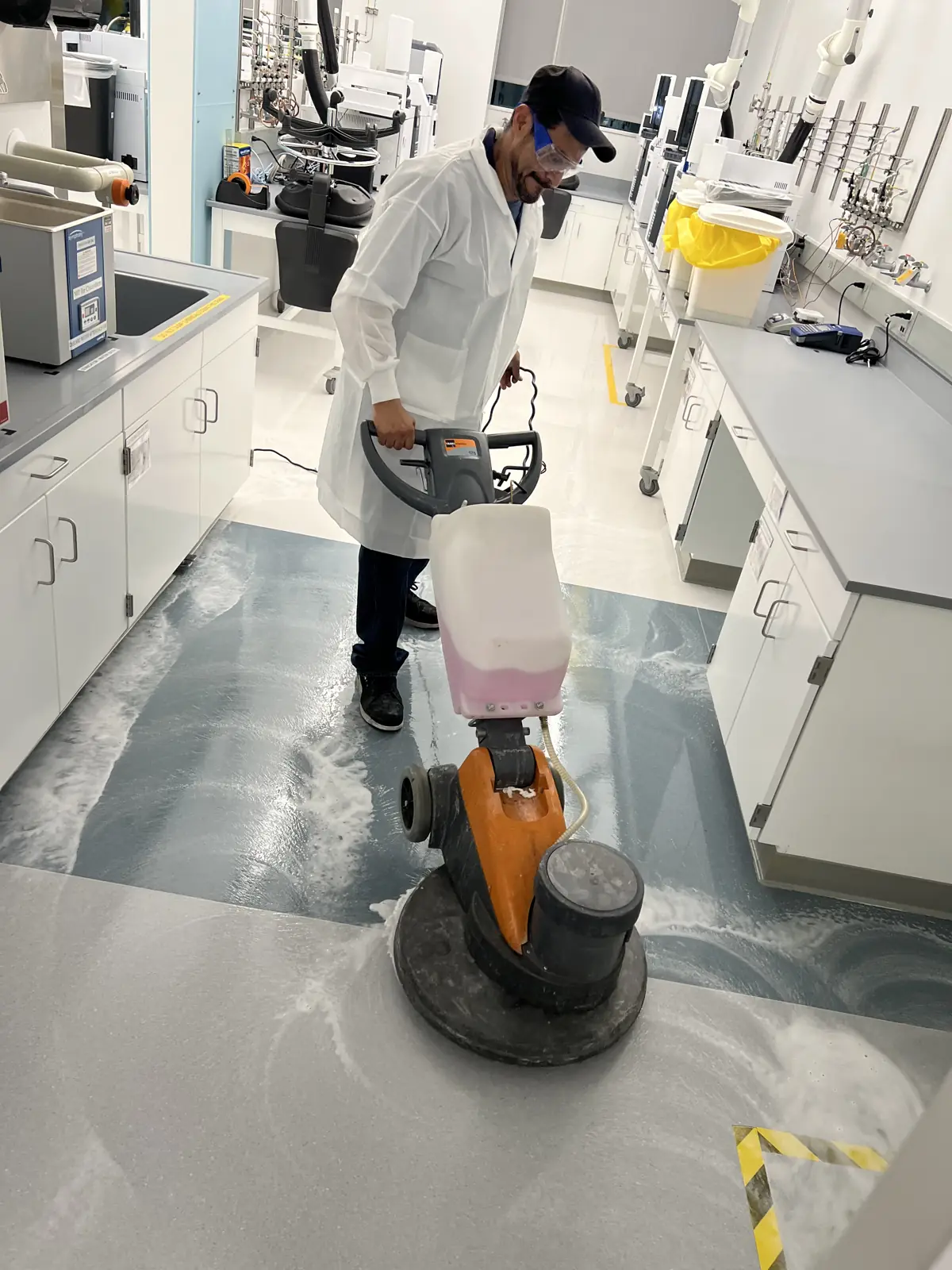
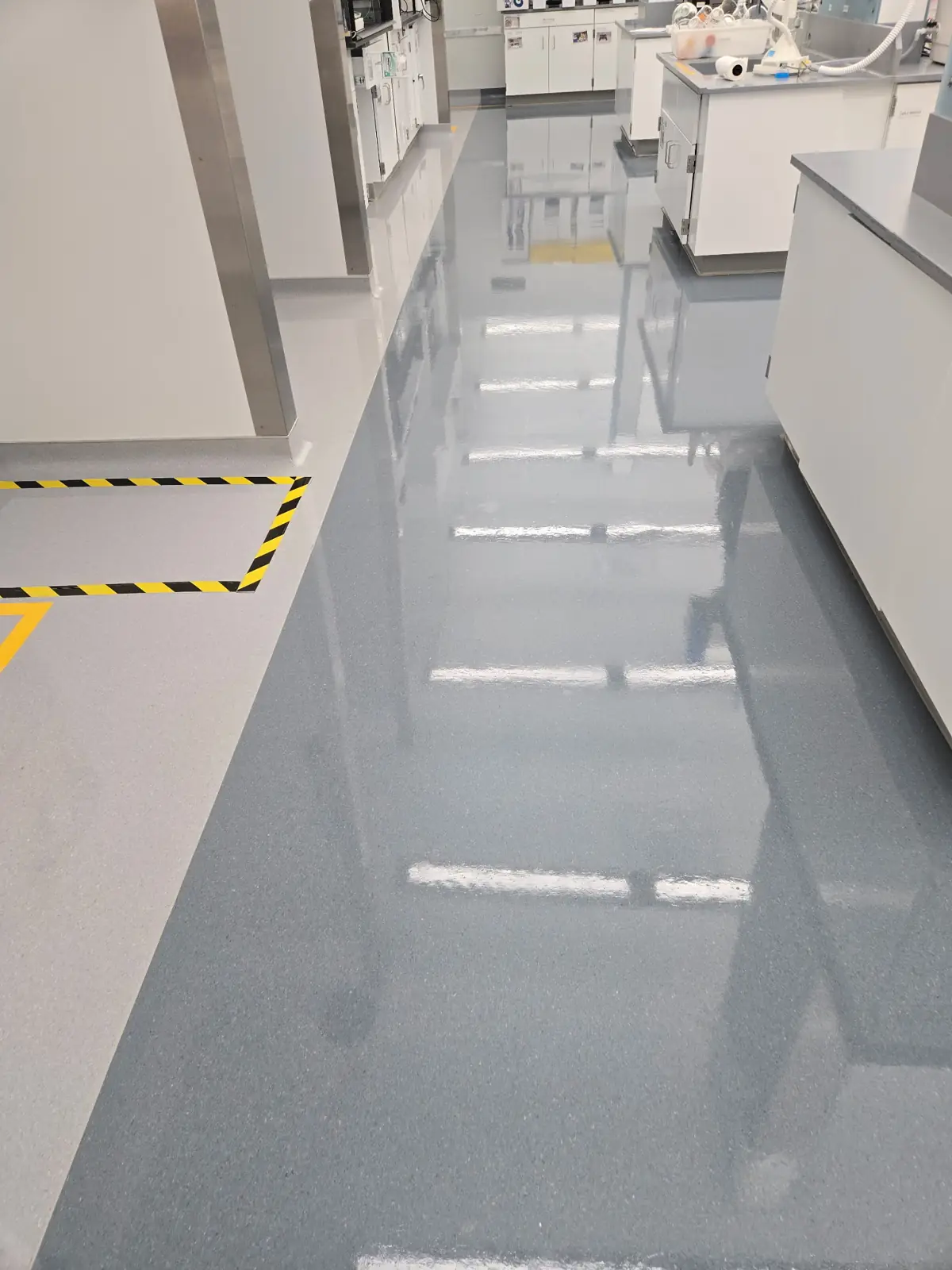
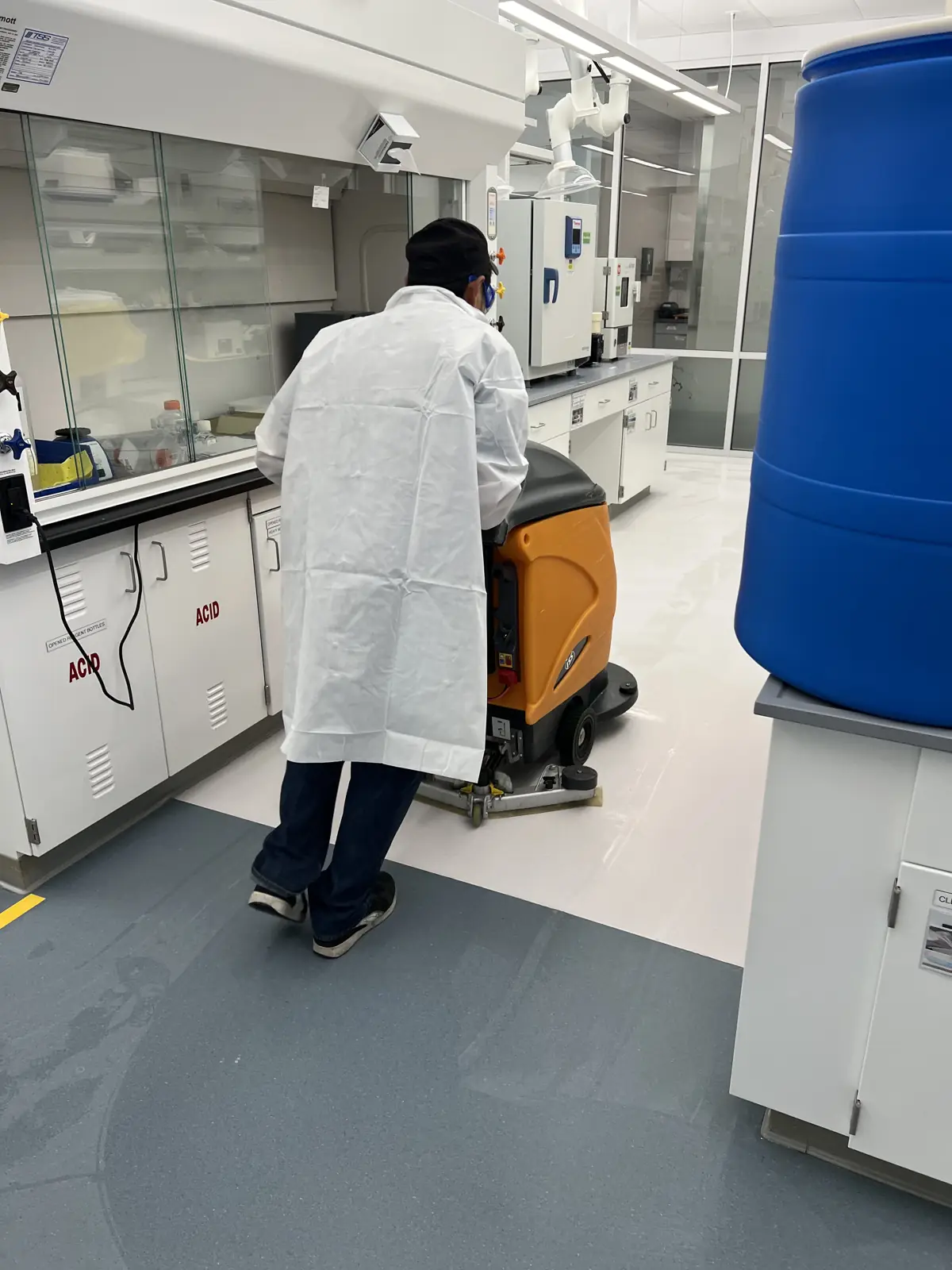
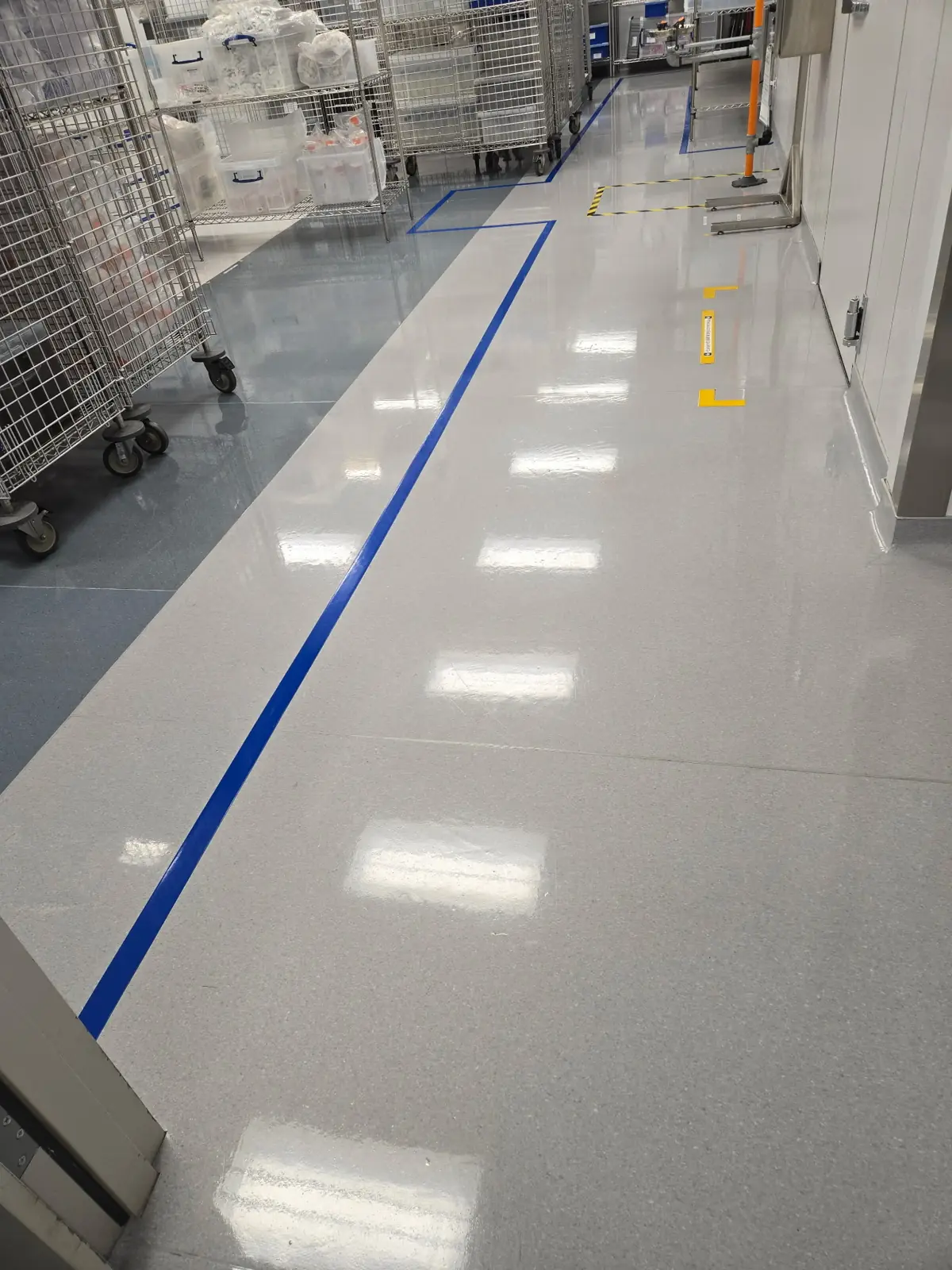
Our crews, on site.
No proposal before a walkthrough
Let's walk your facility.
Every scope starts with a walkthrough. We look at the building, ask what is actually going wrong today, and come back with a written scope and a number — not a brochure.