
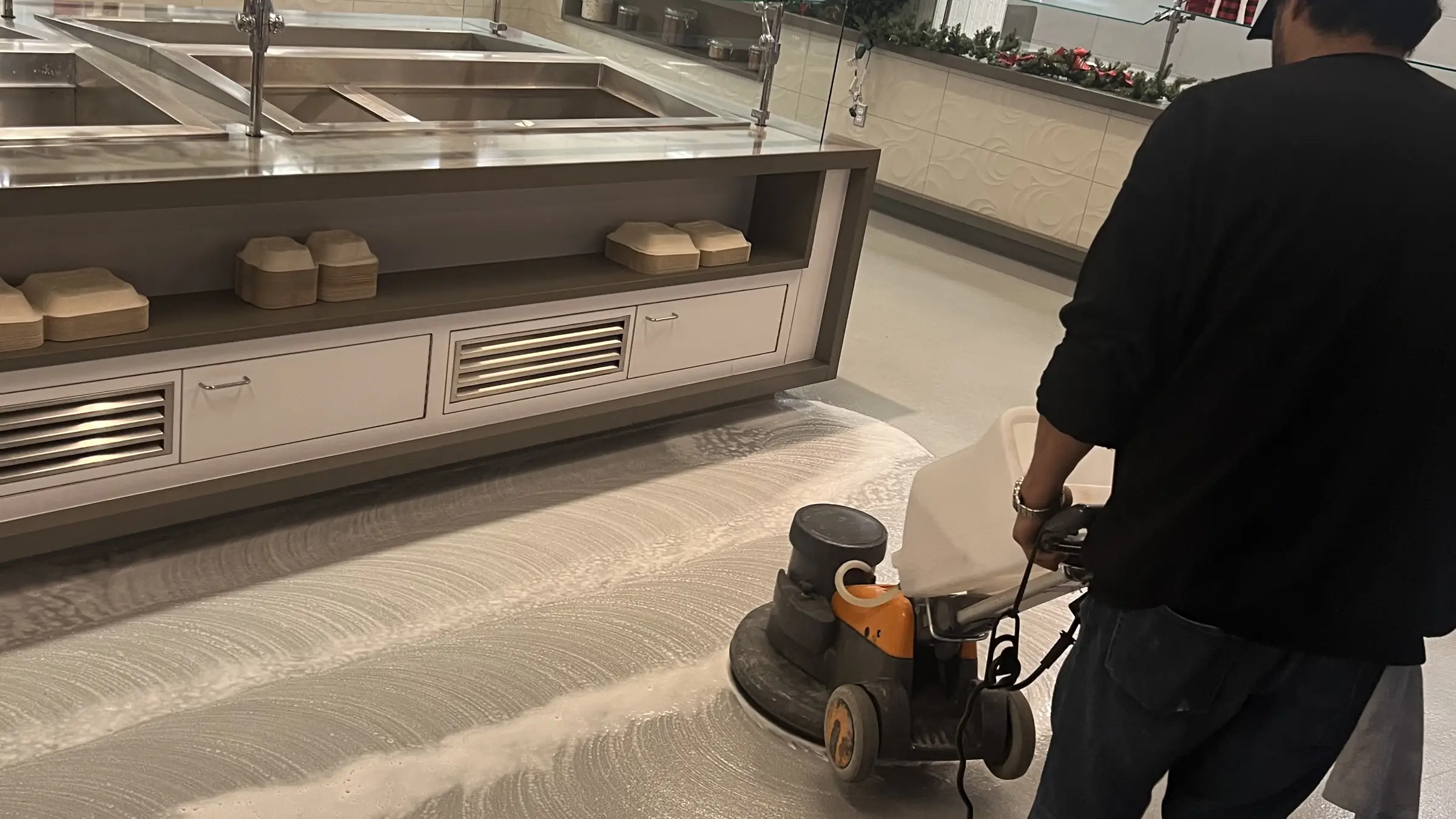
Floors that hold
their finish.
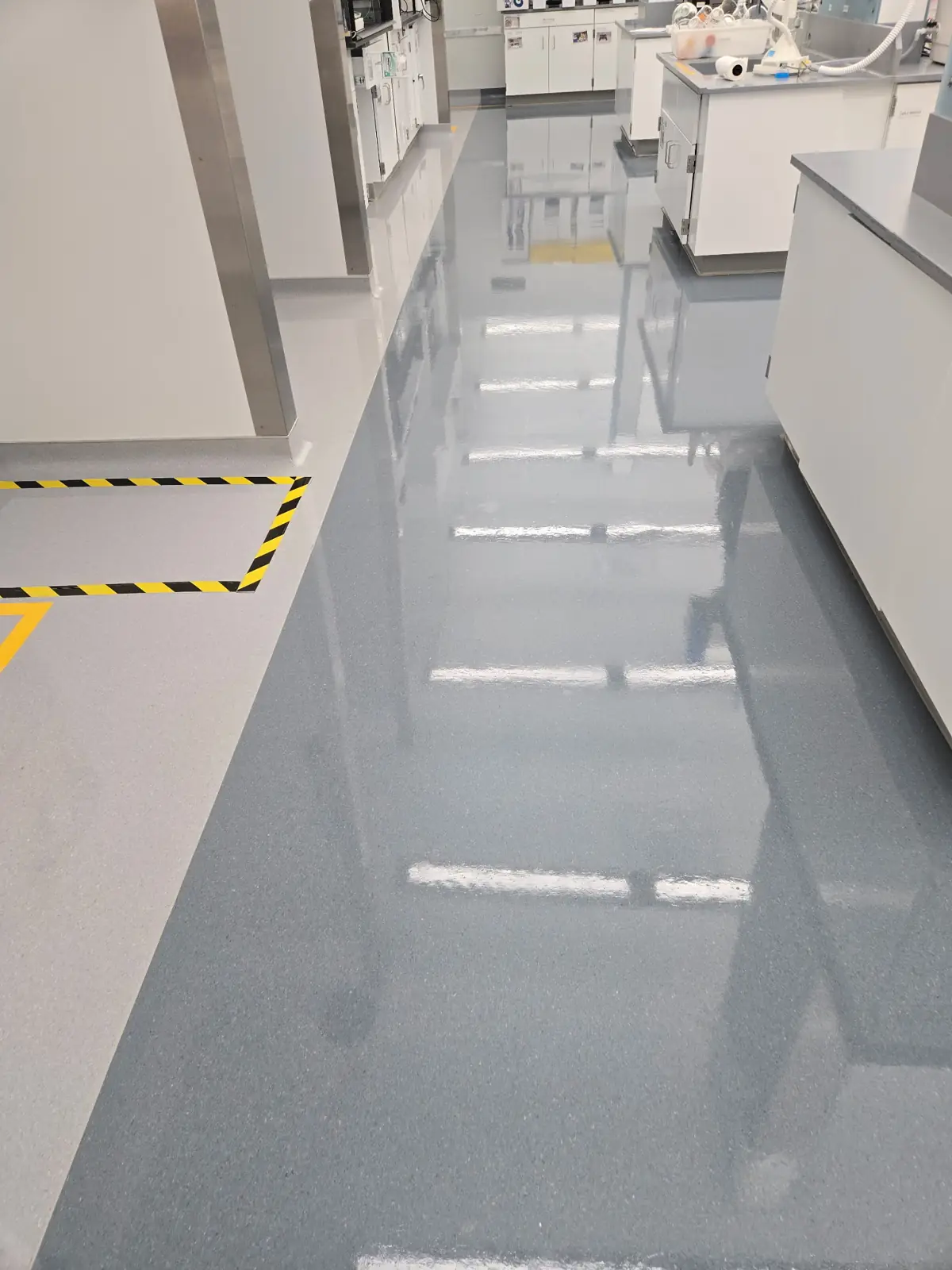
Strip, seal, finish, burnish and scrub programs that keep hard floors serviceable instead of letting them degrade to replacement.
- Strip and refinish with commercial-grade sealer and finish
- Scheduled burnishing to maintain gloss between cycles
- Auto-scrubbing for warehouse, production and corridor surfaces
- VCT, LVT, sealed concrete, terrazzo and epoxy-coated surfaces
Hard floors are the most visible surface in your facility and the most expensive to replace. Deferred maintenance is not a savings — it is a capital expense moved forward. Nexara builds floor programs that hold finish, protect substrate and keep your floors presentable between deep cycles.
What's included.
- 01
Strip and refinish with commercial-grade sealer and finish
- 02
Scheduled burnishing to maintain gloss between cycles
- 03
Auto-scrubbing for warehouse, production and corridor surfaces
- 04
VCT, LVT, sealed concrete, terrazzo and epoxy-coated surfaces
- 05
Scheduled around production, breaks or school calendars
Strip-and-refinish, burnishing, scrubbing: what's the difference?
Strip-and-refinish removes worn finish down to the substrate and rebuilds it in layers; burnishing polishes the existing finish to restore gloss between strips; auto-scrubbing removes daily soil without touching the finish. Each is a different depth of work on a different cycle, and a floor program uses all three at different intervals.
- Strip and refinish — full removal and rebuild of sealer and finish, the deepest and least frequent cycle
- Burnishing — high-speed polishing that restores gloss to existing finish without stripping it
- Auto-scrubbing — routine soil removal for warehouse, production and corridor traffic between deeper cycles
Confusing the three is how floors get over-serviced in the wrong way — burnished when they need stripping, or stripped on a calendar instead of by actual wear. The right cycle depends on traffic and finish condition, not a fixed schedule.
Auto-scrubbing is the workhorse of the three because it happens most often — daily or several times a week on high-traffic corridors and production floors — and it's the layer that determines how long the finish underneath actually lasts. A floor that's auto-scrubbed correctly tracks in less grit between deep cycles, which stretches the interval before a strip is needed at all.
VCT, LVT, sealed concrete and terrazzo each need a different program
VCT and LVT hold a topical finish that's stripped and reapplied on a cycle; sealed concrete is maintained with a penetrating sealer rather than a stripped topcoat; terrazzo is a mechanically finished stone-and-binder surface closer to natural stone care than resilient tile. Treating them the same shortens the life of all three.
Floor type and typical maintenance approach
VCT / LVT
- Maintenance approach
- Strip, seal, finish; scheduled burnishing between strips
- Common setting
- Schools, retail, office corridors
Sealed concrete
- Maintenance approach
- Penetrating sealer, auto-scrub, re-seal on a cycle
- Common setting
- Warehouse and production floors
Terrazzo
- Maintenance approach
- Mechanical honing and polishing, not stripped like tile
- Common setting
- Institutional lobbies and corridors
Epoxy-coated concrete
- Maintenance approach
- Auto-scrub and spot repair; recoat rather than strip
- Common setting
- Manufacturing and dock areas
| Surface | Maintenance approach | Common setting |
|---|---|---|
| VCT / LVT | Strip, seal, finish; scheduled burnishing between strips | Schools, retail, office corridors |
| Sealed concrete | Penetrating sealer, auto-scrub, re-seal on a cycle | Warehouse and production floors |
| Terrazzo | Mechanical honing and polishing, not stripped like tile | Institutional lobbies and corridors |
| Epoxy-coated concrete | Auto-scrub and spot repair; recoat rather than strip | Manufacturing and dock areas |
Terrazzo restoration overlaps closely with stone and concrete polishing — see that page for the mechanical grinding and honing process used on terrazzo, marble and polished concrete. Sealed concrete and epoxy-coated concrete are also easy to confuse from a distance, but they're maintained differently: a penetrating sealer soaks into the slab and is renewed on a cycle, while an epoxy coating sits on top and eventually has to be recoated rather than resealed.
How often should a commercial floor be stripped and refinished?
Strip frequency depends on traffic and finish condition rather than a fixed calendar. A high-traffic corridor reaches the end of its finish far sooner than a low-traffic office, and burnishing between strips stretches the interval. Assessing the floor and recommending a cycle beats selling a flat annual package that ignores actual wear.
A floor that's burnished on schedule but never stripped eventually builds up layers of embedded soil under the finish, which no amount of burnishing removes. The guide on how often to strip and wax commercial floors breaks down the signs that a floor is due for a full strip rather than another burnish cycle.
Facilities that skip an assessment and default to an annual strip regardless of condition often spend more over several years than a facility that gets assessed and burnishes longer between strips where the floor allows it. The inspection costs nothing; guessing costs a stripping crew's labor on a floor that didn't need it yet.
What slip resistance does a commercial floor finish need to meet?
OSHA's walking-working surfaces standard, 29 CFR 1910.22, requires floors be kept clean, dry where feasible, and free of hazards, but sets no numeric slip-resistance threshold. The flooring-material benchmark is ANSI A326.3, which specifies a wet dynamic coefficient of friction of 0.42 or greater for hard flooring in level interior spaces expected to be walked on when wet.
Under 1910.22, employers must keep walking-working surfaces in a clean, orderly and sanitary condition, keep them free of hazards such as spills and leaks, and correct hazardous conditions before a surface is used again. Finish selection and burnishing frequency both affect how a floor performs wet, which is why entryways and areas near exterior doors typically get more frequent attention than interior corridors.
Facilities that host visitors, deliveries or wet foot traffic at entrances should treat entryway matting and burnishing frequency as part of their slip-resistance plan, not just the finish product itself. A worn or missing entry mat during rain shifts far more grit and moisture onto the interior floor than the finish alone is designed to handle.
Can floor work be done without shutting a facility down?
In most facilities, yes — strip-and-refinish and deep scrubbing are typically scheduled overnight, across a weekend, or during a planned shutdown so operations aren't interrupted. Dry time and odor from stripping chemicals are the main reasons the work happens outside occupied hours rather than during the day.
Schools schedule this work around the academic calendar — see K-12 and education — while warehouses and production sites schedule around shift changes or planned downtime rather than closing the building. Office and multi-tenant buildings typically fall somewhere in between, with corridor and lobby work done overnight and larger strip jobs pushed to a weekend to give the finish full cure time before Monday traffic.
Polished concrete or epoxy coating — which holds up in a warehouse?
Polished concrete is mechanically refined and can be re-polished as it wears; an epoxy coating sits on top of the slab and eventually chips, peels or wears through under forklift and pallet-jack traffic, requiring full removal and recoating rather than simple maintenance. The right choice depends on traffic type and existing slab condition.
The guide on polished concrete vs. epoxy for warehouse floors compares the two directly for distribution and manufacturing settings, including how each performs under forklift traffic and what a recoat versus re-polish cycle costs in downtime.
What facility managers ask us.
What's the difference between burnishing and stripping a floor?
Burnishing is a high-speed polish that restores gloss to the existing finish and can be done frequently without downtime. Stripping removes the finish entirely down to the substrate and rebuilds it in layers — a deeper, less frequent process that burnishing cannot substitute for once the finish has broken down.
How do I know if my floor needs stripping instead of burnishing?
Signs include dull spots that burnishing doesn't restore, visible traffic patterns or discoloration through the finish, and a gritty or uneven feel underfoot. Burnishing polishes what's there; if the finish itself is compromised, only a strip and refinish resets it.
Is there a slip-resistance standard for commercial floors?
OSHA's 1910.22 requires floors be kept clean, dry where feasible, and free of hazards, without setting a numeric slip standard. For the flooring material itself, ANSI A326.3 specifies a wet dynamic coefficient of friction of 0.42 or greater for level interior spaces expected to be walked on when wet.
Can floor stripping be done on weekends to avoid closing the building?
Yes, most strip-and-refinish work is scheduled overnight or over a weekend specifically to avoid interrupting operations, since the chemicals and dry time work better without foot traffic. Production and school facilities are typically scheduled around shift changes or the academic calendar instead.
Does epoxy coating need the same maintenance as polished concrete?
No. Epoxy is a topical coating that's auto-scrubbed and spot-repaired, then fully recoated once it wears through. Polished concrete is mechanically refined and maintained by re-polishing and densifying rather than recoating. See stone and concrete polishing for the mechanical process.
How is terrazzo different from VCT for maintenance purposes?
VCT holds a topical finish that's stripped and reapplied. Terrazzo is a mechanically finished stone-and-binder surface maintained by honing and polishing rather than stripping — closer to natural stone care. Treating terrazzo like resilient tile wears it down faster than it should.
Does Nexara handle floor care as a standalone service or only within a janitorial contract?
Both. Floor care can be scoped as part of a recurring janitorial services program or handled as its own scheduled service for facilities that manage day-to-day cleaning separately from deep-cycle floor work.
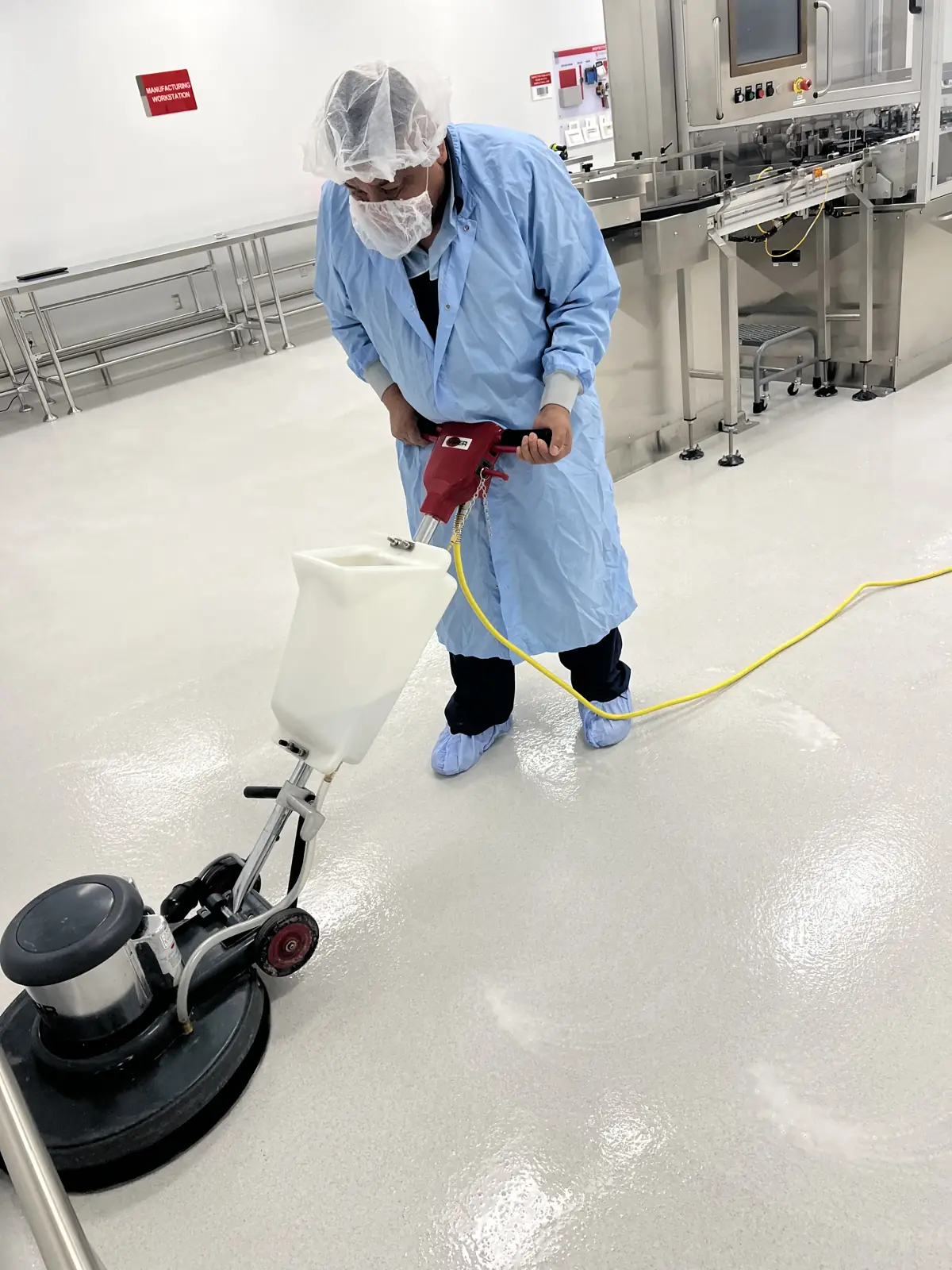
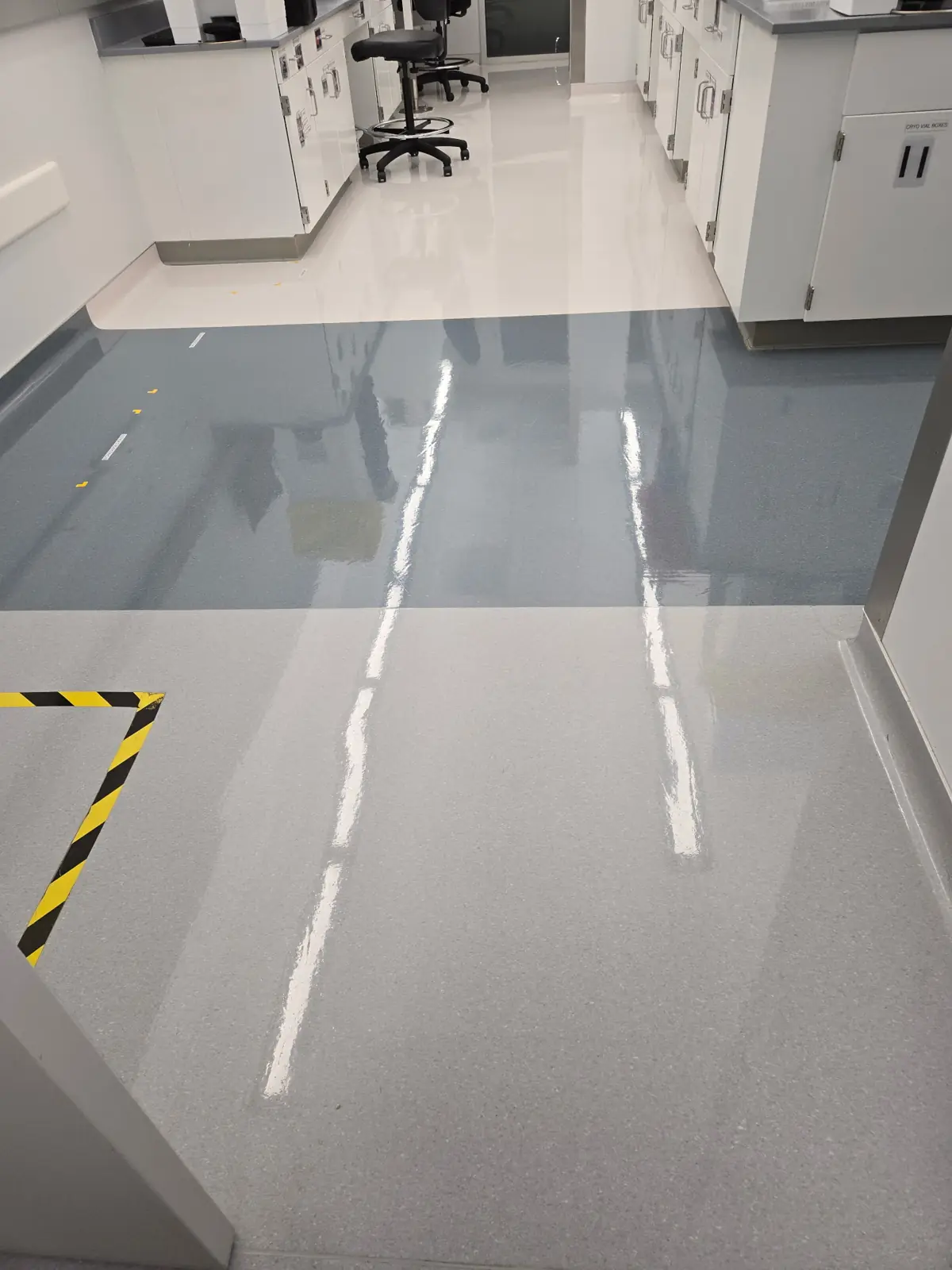
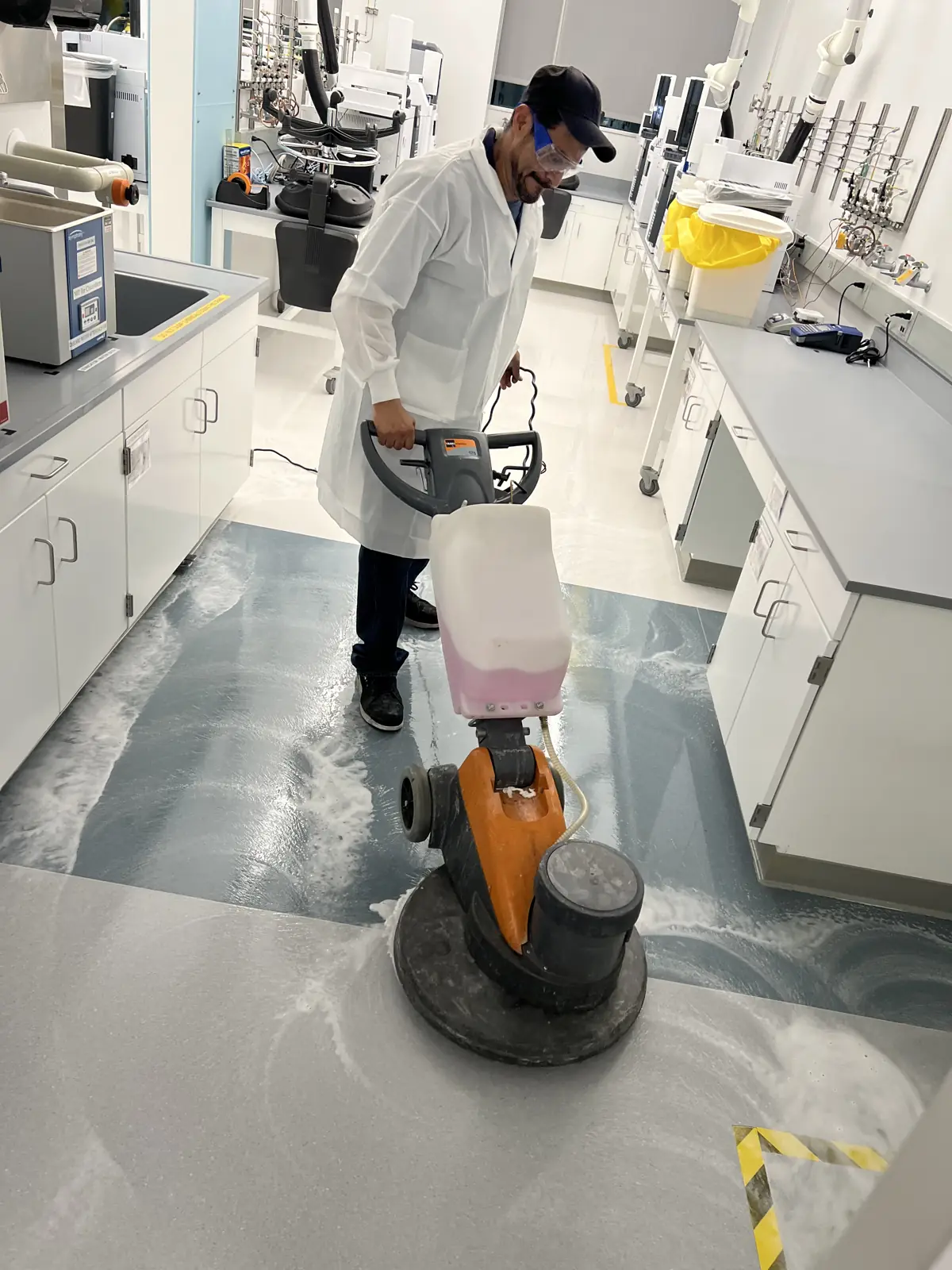
Our crews, on site.
Other services.
- Janitorial & Commercial CleaningJanitorial
- Concrete & Natural Stone PolishingStone Polishing
- Commercial Carpet CleaningCarpet Cleaning
- Commercial Window CleaningWindow Cleaning
- Pressure Washing & Exterior CleaningPressure Washing
- Day Porter ServicesDay Porter
- High DustingHigh Dusting
- Parking Lot SweepingLot Sweeping
- Post-Construction CleanupConstruction Cleanup
No proposal before a walkthrough
Let's walk your facility.
Every scope starts with a walkthrough. We look at the building, ask what is actually going wrong today, and come back with a written scope and a number — not a brochure.