Published · 4 min read
Post-construction cleanup and routine janitorial are not the same service, even when the same vendor ends up doing both. Post-construction cleanup is a one-time project that removes debris and fine construction dust down to a move-in-ready standard, usually scoped in rough and final phases. Routine janitorial is the ongoing contract that keeps a finished, occupied space clean day to day. They get scoped, priced, and scheduled differently. Mixing them up is how buildings end up dusty on move-in day or how GCs get billed for work that should've been a change order.
What's actually included in post-construction cleanup?
A post-construction clean typically covers:
- Bulk debris removal: packaging, wrapping, offcuts, leftover materials
- Fine dust removal from every horizontal surface, not just the floor
- Interior window and glass cleaning, including labels and stickers
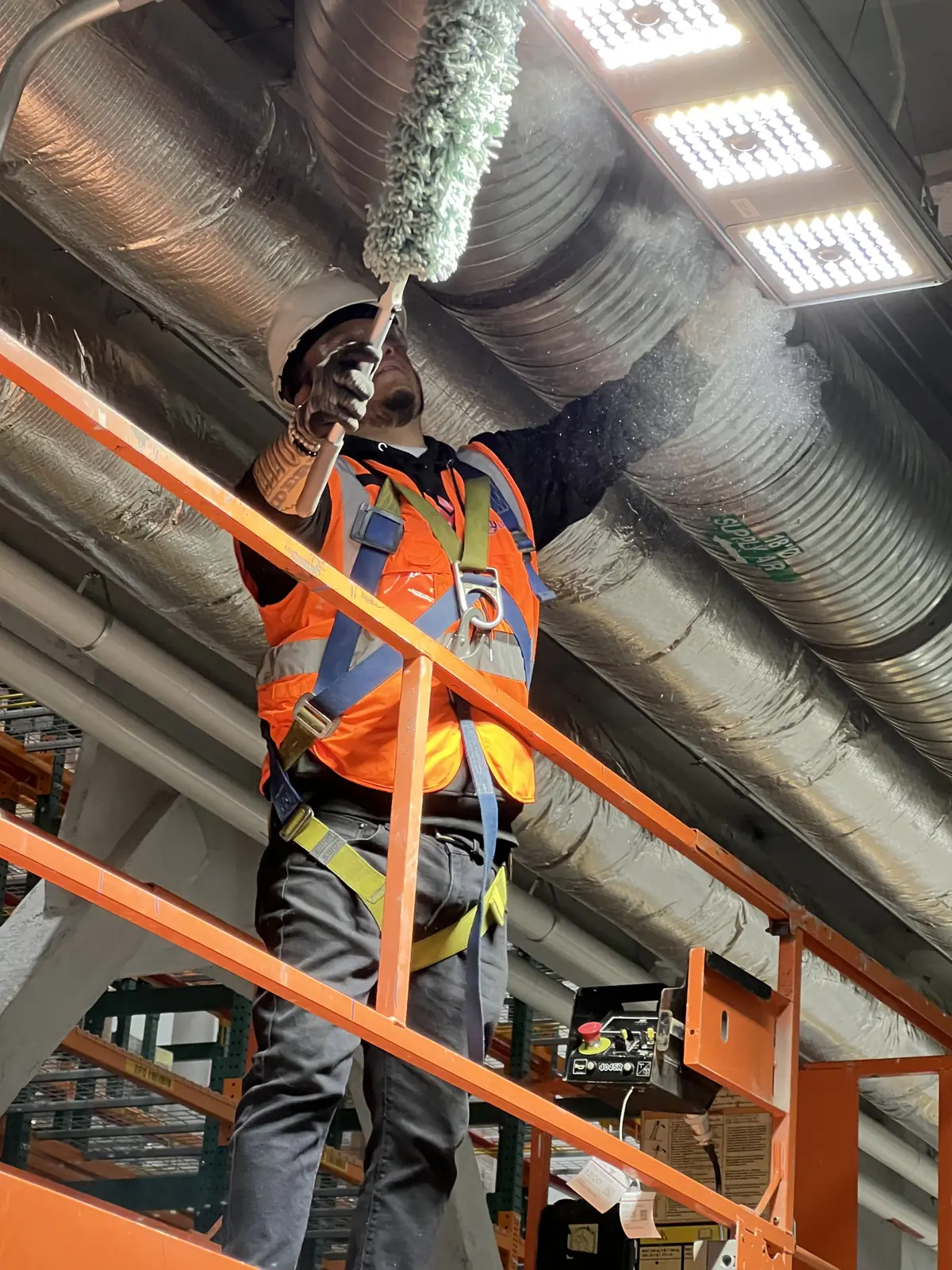
- Light fixture, vent, and duct exterior cleaning
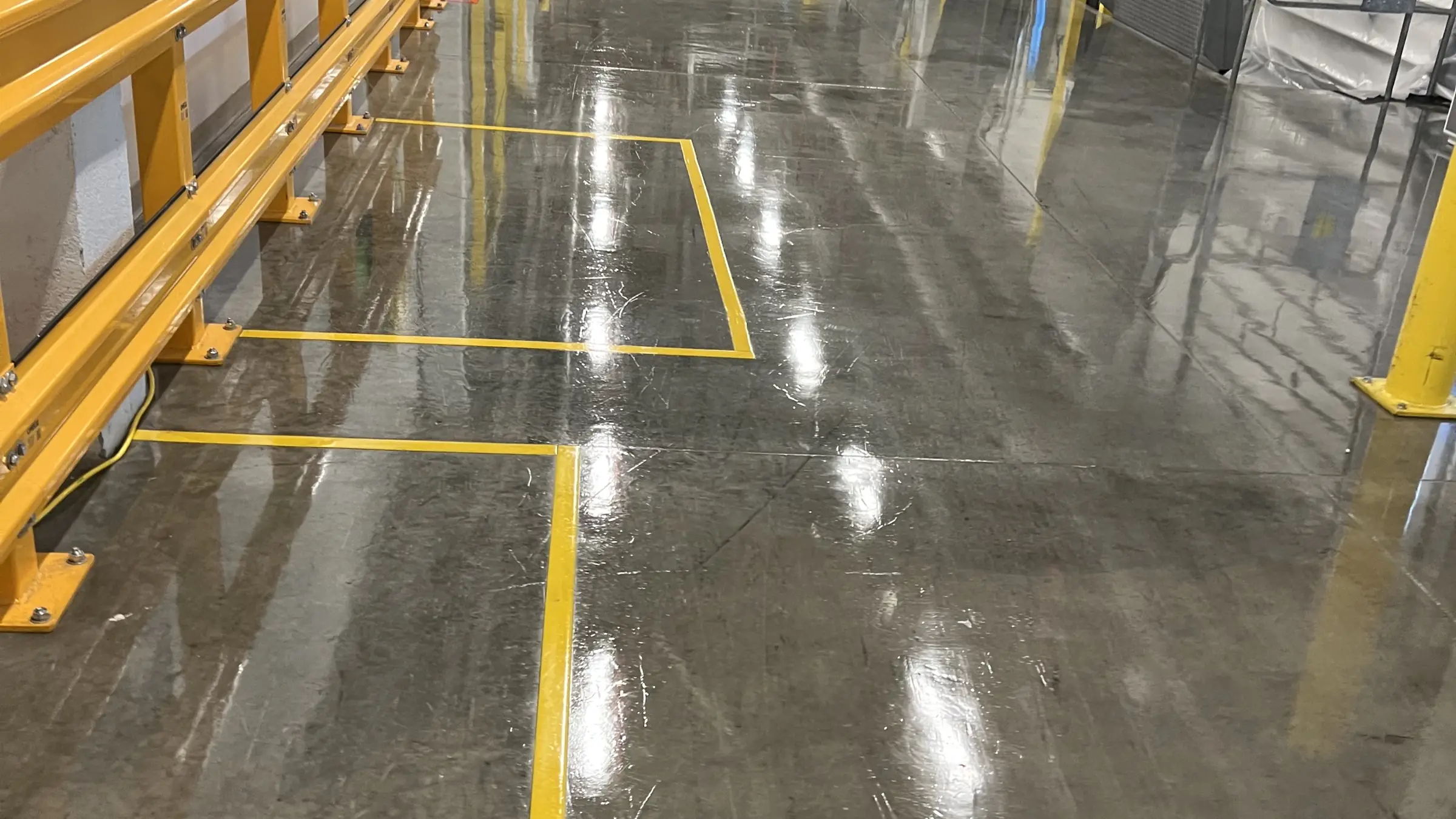
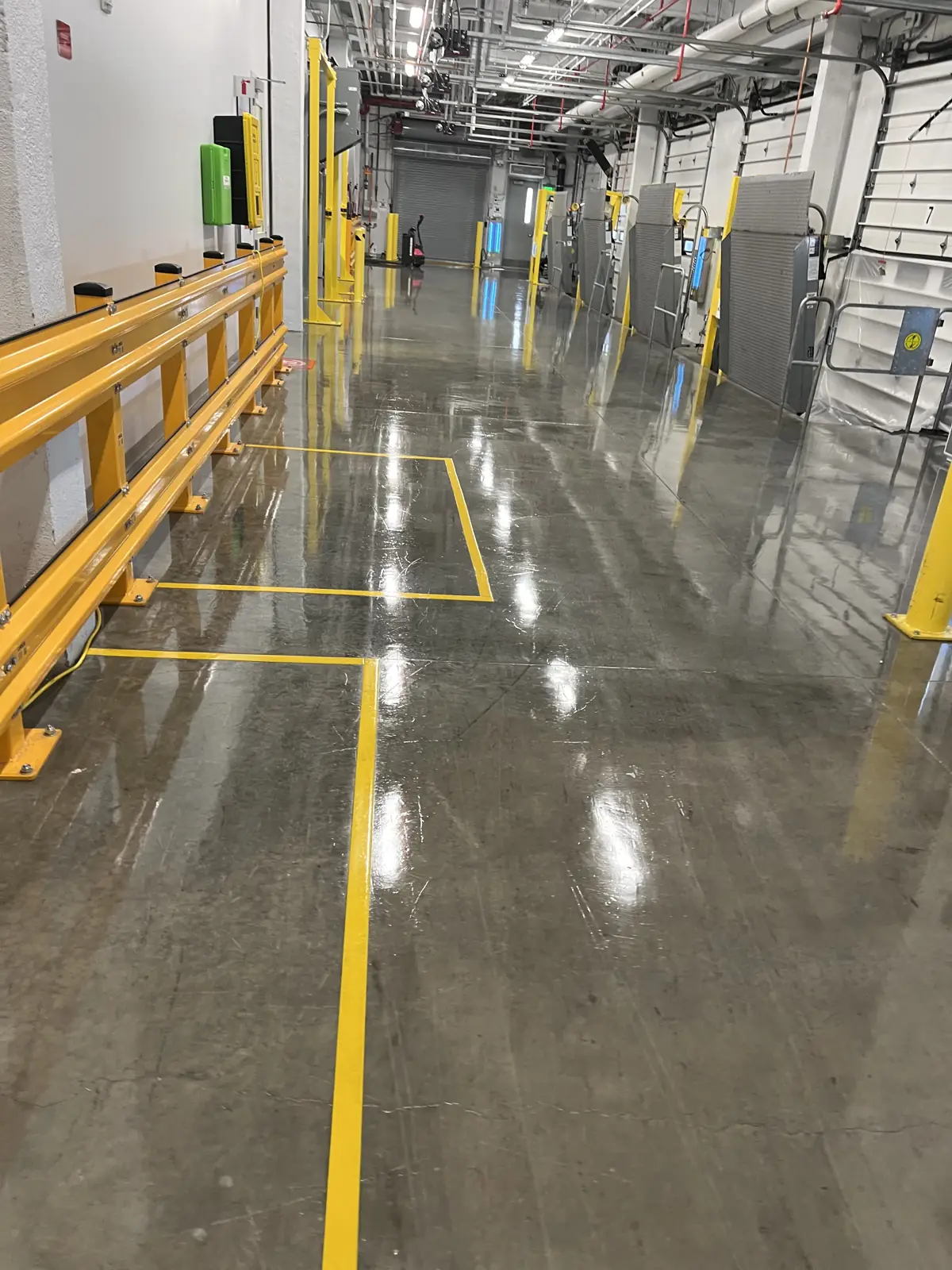
- Floor prep and finish: sweep, scrub, or polish depending on the substrate
- Detail cleaning of fixtures, hardware, and casework
- Trash and recycling removal from the entire site, including dumpsters
It's a construction-specific scope. It assumes the space has never been cleaned as a finished building before, and it treats fine dust as the main problem, not just visible dirt.
How is it different from routine janitorial?
Routine janitorial assumes the building is already clean and occupied. It's a maintenance program: trash, restrooms, floor care on a schedule, common areas, breakrooms, repeated on a cadence, week after week. Post-construction cleanup assumes the opposite. It's a single event that gets a raw or nearly-finished space to the standard where routine janitorial can even start.
Pricing reflects that difference too. Janitorial is quoted as a recurring rate against a defined scope of frequency and tasks. Post-construction is quoted as a project: square footage, condition of the space, and how much fine dust and debris are actually present.
What comes first, debris or fine dust?
Debris comes first. Bulk removal, boxes, wrapping, scrap material, leftover fixtures, has to happen before fine dust cleaning makes sense, because moving debris around kicks dust back into the air and onto surfaces that were just wiped down. Once the space is cleared, fine dust gets worked top-down: ceilings and ductwork first, then walls and fixtures, then horizontal surfaces, then floors last. Doing it in that order means you're not re-cleaning a floor because dust settled onto it after the fact.
Who typically handles it, the GC or the facility's vendor?
It varies by project. On many jobs, the general contractor includes cleanup in their scope and either self-performs it or subcontracts it directly. On others, the facility's own vendor, the company that will be running janitorial once the building is occupied, handles the post-construction clean as a separate, one-time project. There's no single standard here; it usually comes down to who's named in the construction contract and what the owner or tenant asked for.
What matters more than who is on the hook is that it's written down somewhere. A post-construction clean that's assumed rather than assigned is one of the more common gaps we see: everyone thinks it's someone else's job until move-in week.
When should it be scheduled relative to the punch list?
Rough cleanup typically happens before the punch-list walkthrough, because trades, inspectors, and the owner's rep need to actually see the work, not a layer of dust over it. Final detail cleaning happens after punch-list items are closed out, right before occupancy or furniture move-in. Scheduling it in between those two points, instead of trying to do it all at once, usually saves a re-clean later.
What should be inspected before occupancy?
Before anyone moves furniture in or the space goes live, it's worth walking it with a checklist:
- Floors are free of dust, adhesive residue, and finish overspray
- Windows and glass are clean inside, with labels and stickers removed
- Vents, ductwork, and light fixtures are free of visible dust
- Casework, hardware, and fixtures are wiped down, not just installed
- No leftover packaging, debris, or construction trash remains on-site
- Restrooms and breakrooms are stocked and cleaned, ready for day one
A walkthrough against a list like this catches the gaps before they become a tenant's or an owner's first impression of a brand-new space.
Where Nexara fits
Nexara does both post-construction cleanup and ongoing commercial and office janitorial, and we scope them as two separate things even when it's the same building and the same crew moving from one into the other. If you've got a space coming out of construction, or a building where it's unclear who's supposed to be doing the final clean, request a walkthrough and we'll look at the actual space before we talk numbers.
Questions we get asked.
Does post-construction cleanup include window cleaning?
Usually, yes: interior glass at minimum, and often the exterior too if it was affected by dust or overspray. It's typically scoped as part of the final clean rather than billed as a separate service.
Should cleanup happen before or after the punch-list walkthrough?
Rough cleanup usually happens before the punch-list walkthrough so trades and inspectors can actually see the work. A final detail clean then happens after punch-list items are closed out, right before occupancy.
Can the routine janitorial vendor also do the post-construction clean?
Often, yes, if they have the right crew and equipment for construction debris and fine dust. It's still worth scoping it as its own project with its own price and timeline, separate from the ongoing janitorial contract.