
Published · 4 min read
A strip-and-refinish weekend goes well when the building side is ready before the crew arrives: rooms cleared, occupants warned, access sorted, HVAC running and a plan for who signs off on Monday morning. The crew controls the chemistry and the coats. You control almost everything that decides whether they can actually work the full window.
We have lost hours on strip jobs to locked doors, a desk nobody moved and an air handler shut off for the weekend. None of that is the floor's fault. Here is the prep we ask every building to handle.
Why does prep matter so much on a strip job?
Because the schedule is tight and every step depends on the one before it. Stripping, rinsing, drying, then laying down sealer and several coats of finish, each with dry time between, fills most of a weekend for a large area. If the crew starts three hours late because a room was not cleared, something gets cut, and it is usually dry time or a coat.
A rushed floor looks fine on Monday and wears through early. Good prep protects the money you are spending. If you are still working out how often this should happen at all, our guide on how often to strip and wax commercial floors covers the cycle itself.
What has to be cleared out of the work area?
Everything that sits on the floor, ideally. Chairs, trash cans, floor mats, plants, small tables, boxes stored under desks and anything on wheels. The more open floor, the more evenly the finish goes down.
Agree ahead of time on what stays. Built-in counters, heavy cabinets and equipment that cannot be unplugged usually stay put, and the crew works around them. Take photos of any room with a layout that matters so things go back where they belong.
How should you tell occupants and tenants?
Early and more than once. A notice two weeks out, a reminder a few days before and signs on the doors the day of. Say which areas are closed, from when to when, and what route to use instead.
Ask people to take personal items off the floor and clear under their desks before they leave Friday. In a multi-tenant building, send the notice to each tenant contact and ask them to pass it on. The office and commercial buildings we work in usually have at least one person who missed the email, so the door signs matter.
What about access, security and alarms?
Confirm all of it in writing before the weekend:
- Which doors the crew uses, and keys, badges or codes for each
- Alarm zones and who disarms or rearms them
- A contact who answers the phone over the weekend
- Where the crew can park, stage equipment and dump rinse water
- Which restrooms and janitor's sink they can use
- Any rooms that stay locked and are out of scope
A crew sitting in the parking lot waiting for a callback is the most expensive kind of delay.
Should the HVAC stay on?
In most cases, yes. Floor finish dries through airflow, and a building with the air handlers set back for the weekend can stretch dry times well past the plan. Ask your building engineer to keep air moving in the work areas for the full window, and let the crew know if anything is on a timer.
Ventilation also helps with odor from stripping products, which some occupants notice on Monday if the space was closed up tight. Follow the product label and safety data sheet on ventilation; the crew should have both on site.
What should you check before reopening?
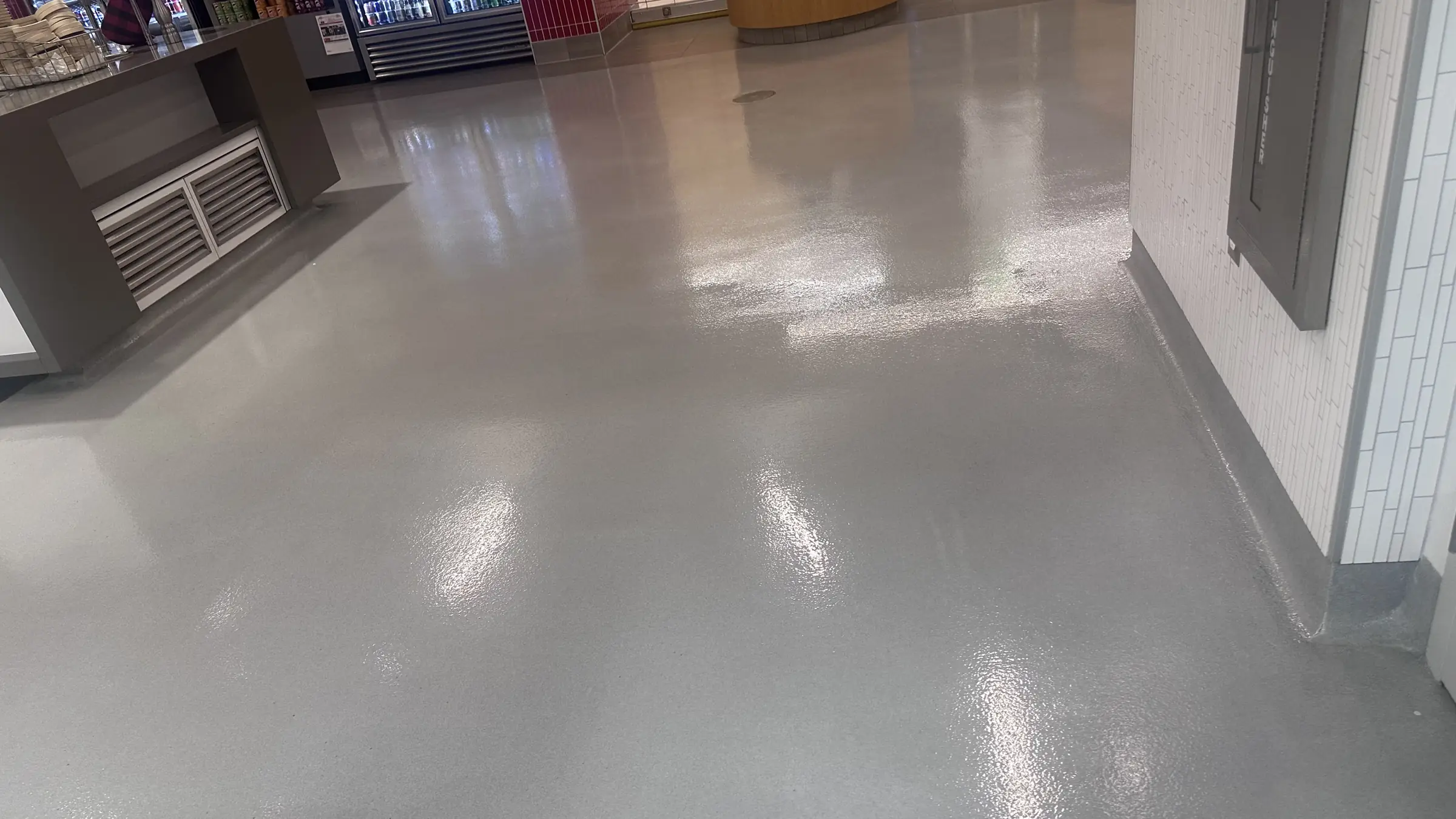
Walk it with the crew lead before anyone moves furniture back. Look along the floor toward a light source for streaks, missed edges, puddled finish and dull spots near walls and doorways. Check thresholds where the work area meets carpet or another floor.
Then confirm the floor is dry enough for furniture. Heavy items slid across fresh finish leave marks that stay until the next cycle. Felt pads on chair legs and a short wait before rolling equipment back in save a lot of touch-up.
Who owns what after the crew leaves?
Settle this up front. Usually the vendor handles the floor work and a punch list. The building handles furniture moves (unless agreed otherwise), reopening the space and telling occupants. If you have a nightly crew, tell them the finish is new so they adjust their mopping and avoid harsh products in the first days. The product data sheet will say how long to wait before routine scrubbing or burnishing.
Where Nexara fits
We run strip-and-refinish work as part of our floor care programs, and we send the building a prep list like this one before every weekend job. If you have a strip cycle coming up and want the plan built around your building, request a walkthrough.
Questions we get asked.
How far ahead should we plan a floor strip weekend?
Most buildings do well with two to three weeks of lead time. That leaves room to confirm the scope, send notices to occupants, book any furniture moves and line up after-hours access.
Does the building have to be empty while floors are stripped and refinished?
The areas being worked on should be closed to all traffic until the finish is dry. Other parts of the building can often stay open if the work zones are clearly blocked off and routes around them are marked.
Who moves the furniture before a floor strip?
Decide that in writing before the weekend. Some vendors include light furniture moves in the price, while heavy items, electronics and anything bolted down usually stay with the building or a mover.