Published · 4 min read
A useful monthly janitorial inspection scores a fixed list of areas against the written scope, happens on a set date, is done by someone other than the crew that cleaned, produces photos and a number, and ends with a corrective-action list that gets checked again the following month. If your current inspection is a walk-through and a verbal "looks good," it isn't doing its job.
Why do cleaning programs drift without inspections?
Cleaning quality doesn't fall off a cliff. It erodes a little at a time: a dusting task skipped because the crew is short-staffed one night, a trash liner swap that gets pushed to "next time," a restroom that gets a quick wipe instead of the full task list. None of it looks bad on any single night. Over a few months it adds up to a building that feels noticeably worse, and nobody can point to when it started.
An inspection is what catches drift while it's still small. Without one, the first signal most facility managers get is a complaint from an employee or a visitor, which means the problem has already been visible for a while.
What should the inspection actually score?
The inspection should mirror the scope of work, not a generic template. If a task isn't in the scope, don't grade it. If it is in the scope, it belongs on the checklist. A typical scorecard covers:
- Restrooms: fixtures, floors, mirrors, supply levels, odor
- Entries and lobbies: glass, mats, floors, trash receptacles
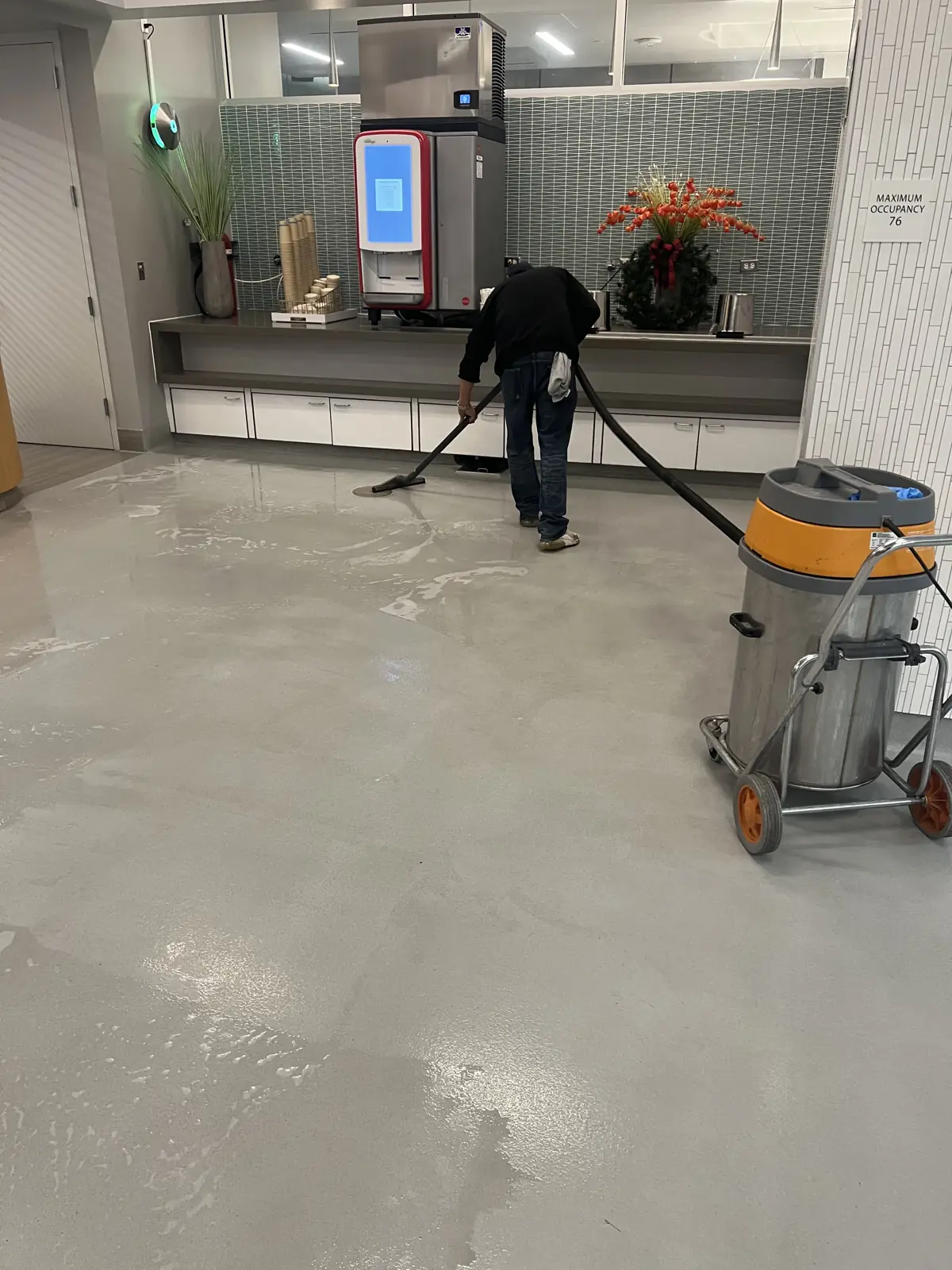
- Break rooms: counters, sinks, microwaves, floors, trash
- Floors: overall condition by zone, not just the lobby
- High and low dusting: vents, ledges, baseboards, light fixtures
- Trash and consumables: liners changed, paper and soap stocked
- Production or warehouse zones: dock areas, breakrooms off the floor, aisles
Each area gets a pass/fail or a numeric score against a specific standard, not a general impression.
Who should do the inspection, and when?
The inspection should be scheduled on a fixed date, not squeezed in whenever someone remembers. It should be done by someone who didn't clean that shift: a supervisor, an account manager, or the facility's own team doing a joint walk with the vendor. Self-grading by the same crew that did the work isn't an inspection, it's a formality.
Timing matters too. An inspection done first thing in the morning, before the day's foot traffic, tells you something different than one done at 4pm. Most programs inspect on a consistent schedule relative to the cleaning shift so scores are comparable month over month.
What does a good scorecard look like?
A good scorecard has three things a verbal walk-through doesn't: a fixed list of areas, a number or pass/fail per area, and photos attached to anything that failed. The number matters because it's comparable across months: you can tell if restrooms went from 95% to 78% instead of relying on memory. The photos matter because they remove the argument about what "not clean" actually meant.
The scorecard should also be dated, named, and kept, not a one-off email that gets lost. A facility manager should be able to pull the last six months of scores and see a trend line, not just the most recent snapshot.
How do you turn a bad score into a fix instead of an argument?
A low score by itself doesn't fix anything. It needs to turn into a specific corrective-action item: what failed, what the fix is, who owns it, and by when. That item gets checked at the next inspection, not assumed fixed because time passed.
This is also where the escalation path matters. If the same item shows up failed two months in a row, that's not a cleaning problem anymore, it's a management problem, and it should go up the chain rather than staying between the facility manager and the night crew.
How should inspections tie back to the scope of work?
The inspection is only as good as the scope it's measured against. A vague scope produces a vague inspection: "restrooms cleaned nightly" doesn't tell an inspector what to check. A specific scope (fixtures, mirrors, floors, supply par levels, by name) gives the inspection something concrete to grade. If your inspections keep coming back with disagreements about what "clean" means, the fix usually isn't a stricter inspector, it's a tighter scope of work.
Where Nexara fits
Our process includes scheduled quality inspections with photo verification, tied directly to the written scope we build during the walkthrough, and if something's off, there's an escalation path that ends with the owner, not a call center. If you want to see what happens after a walkthrough or learn more about our janitorial services, request a walkthrough to see how we'd score and inspect your building.
Questions we get asked.
How often should a commercial cleaning program be inspected?
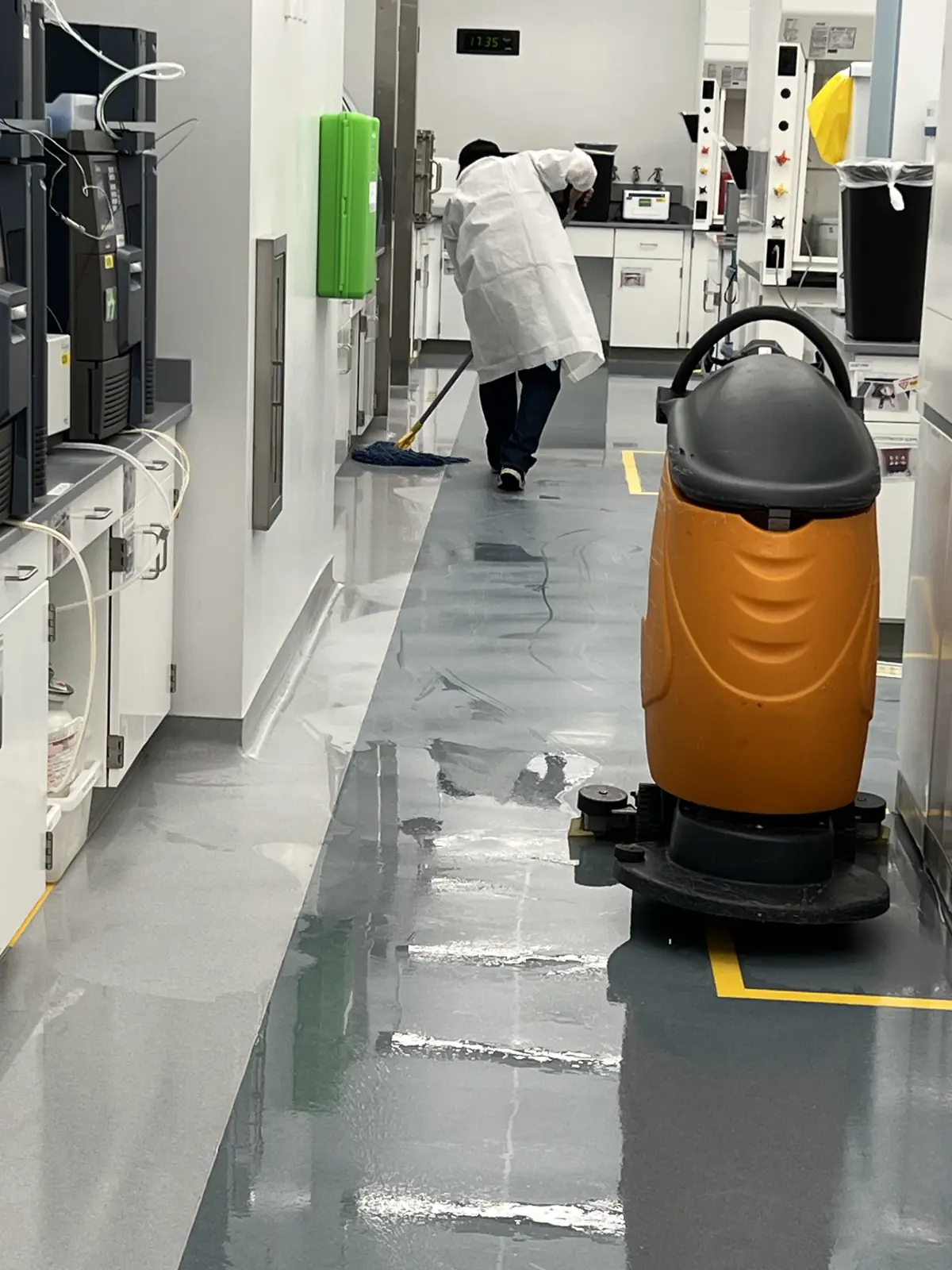
Most programs run a monthly formal inspection with a written score, alongside informal spot checks in between. Higher-risk environments like labs or production floors often add a second monthly pass.
Should the cleaning company inspect its own work?
The crew can do daily self-checks, but the formal monthly inspection should be done by someone who didn't clean that shift: a supervisor, account manager, or the facility's own team, so the score isn't grading its own homework.
What score should trigger a corrective action?
There's no universal number, but most programs set a threshold in the written scope, commonly anything below roughly 85-90% on a weighted scorecard, that automatically opens a corrective-action item rather than waiting for someone to complain.