Published · 4 min read
Audit prep works backward from the auditor's checklist: high-touch and high-visibility zones get attention first, documentation of completed cleaning comes second, and any deep-cycle work (floor restoration, high-level dusting, equipment teardown cleaning) needs to be scheduled early enough that it's finished, not in progress, on the day someone walks in with a clipboard.
Most facilities we work with know an audit or a key customer visit is coming weeks ahead of time. The mistake is treating that lead time as buffer instead of a schedule. Here's how to use it.
What should happen 72 hours before an audit?
In the final 72 hours, the goal is confirmation, not construction. Anything that needs equipment down, floors wet for a full cure cycle, or a multi-day timeline should already be done. What's left in this window is a final walk of every area on the likely tour route, a check that cleaning logs are current through today, and spot-fixing anything that slipped: a missed trash pull, a streaked window, a floor mat that needs swapping.
If you're still doing deep cleaning 72 hours out, you're behind. That work should have started two to three weeks earlier so it has time to actually finish and get inspected internally before the real inspection happens.
Which areas get priority when time is short?
When prep time is tight, work in this order:
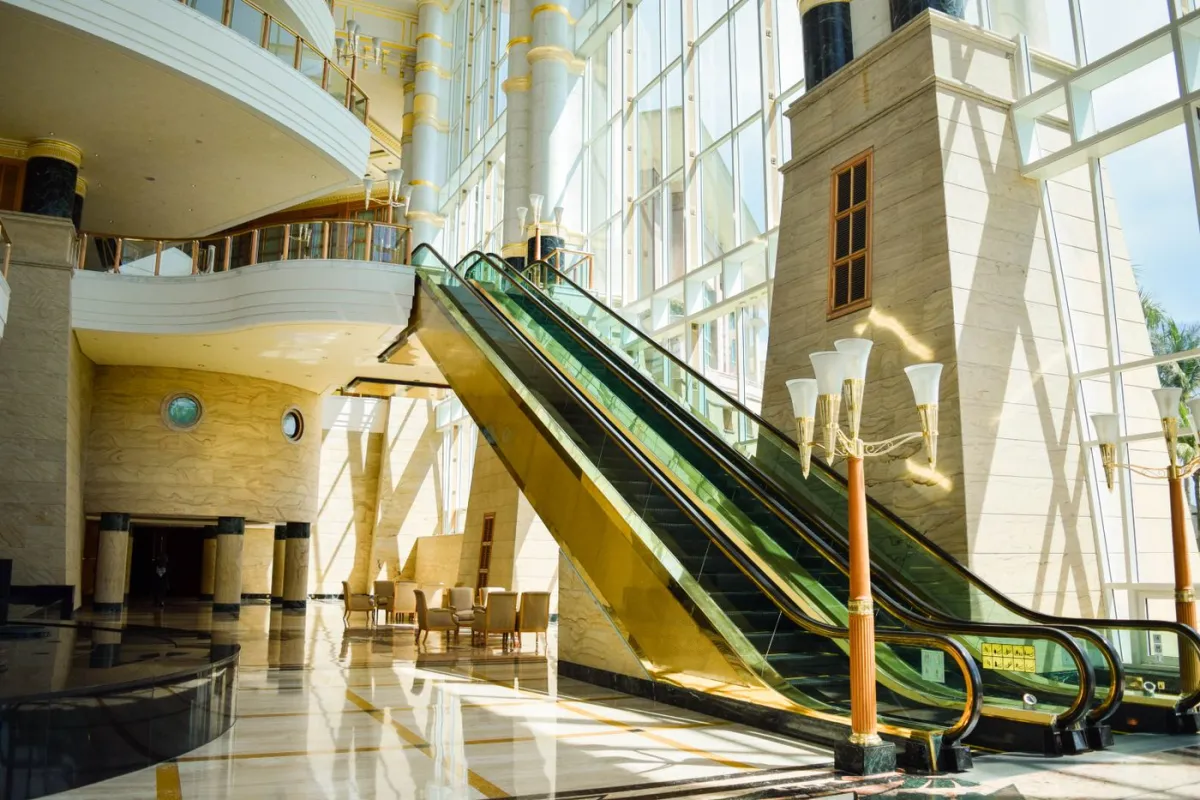
- Entry and lobby: it's the first thing anyone sees, and first impressions set the tone for the rest of the visit.
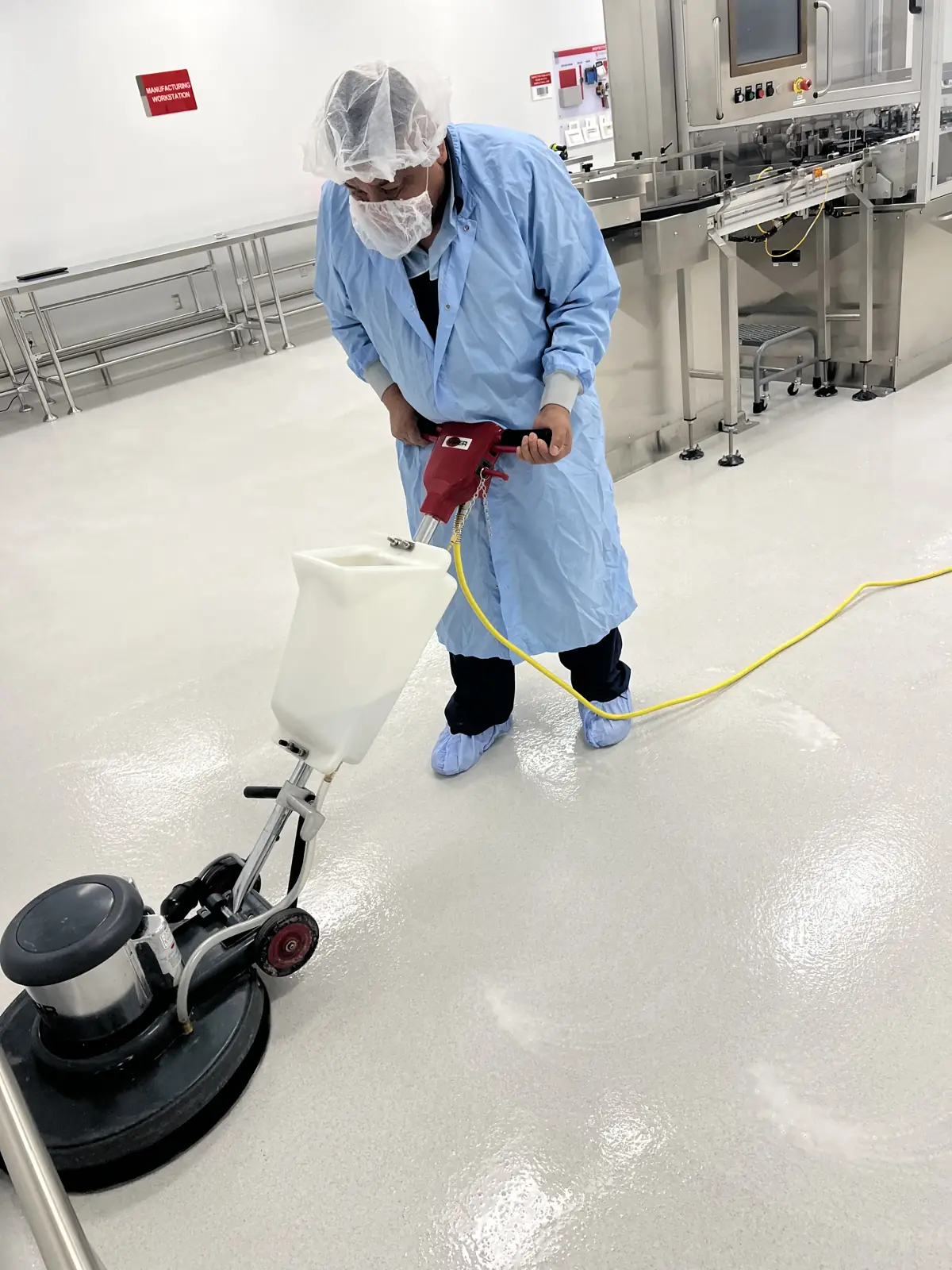
- Production or lab floor: this is where a regulatory auditor spends the most time and where floor condition, equipment surfaces, and visible residue get the closest look.
- Restrooms and break rooms: these get checked in almost every walkthrough and are a fast way to lose credibility if they're neglected.
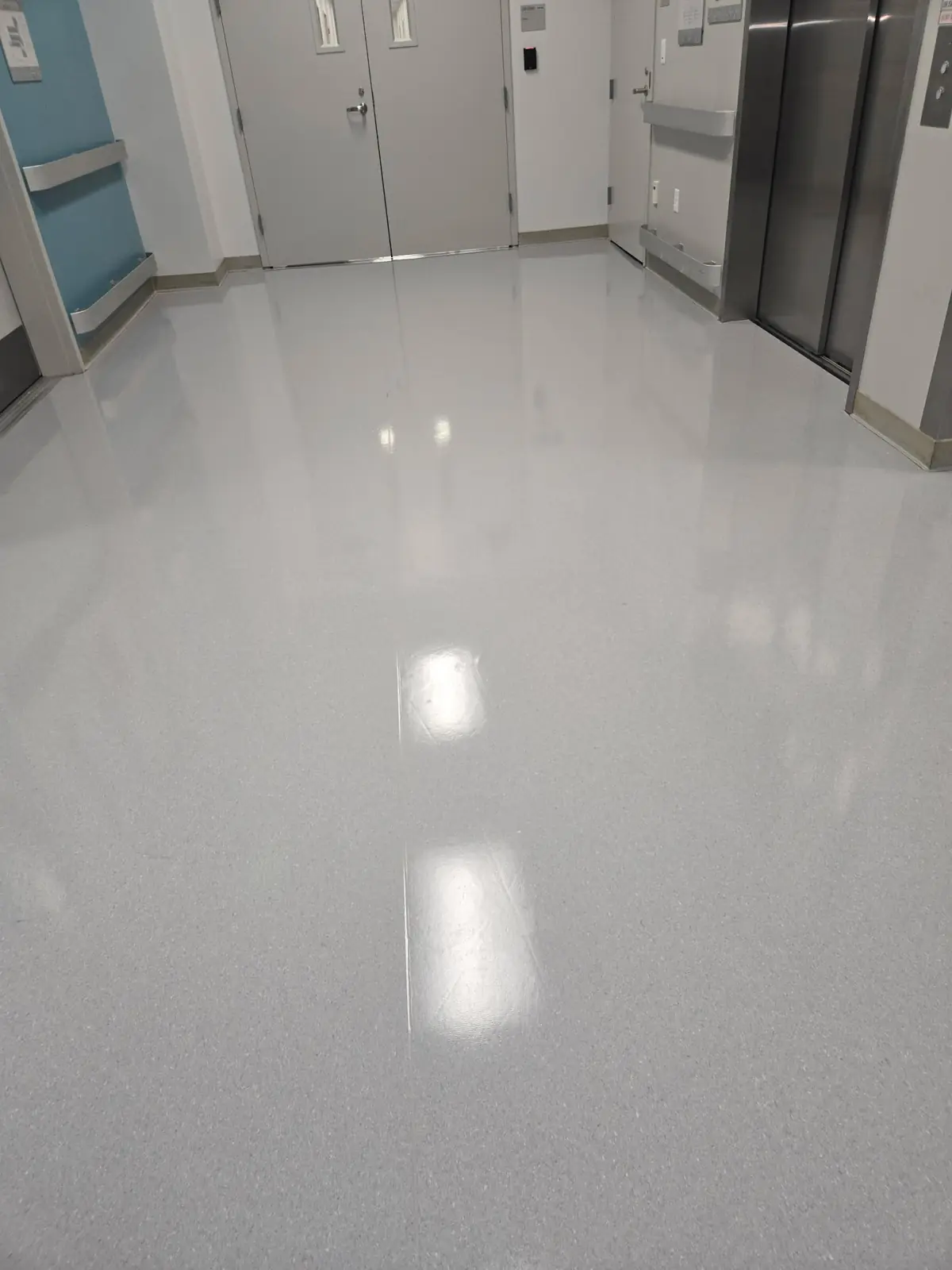
- Corridors connecting the above: auditors and visitors walk these between stops, so they're rarely skipped even when they're not the "real" focus.
- Storage and back-of-house: lower priority, but not zero. A cluttered stockroom visible through an open door still registers.
How do you document cleaning for an auditor's paper trail?
Auditors are typically less interested in whether a room looks clean at the moment they walk through it and more interested in whether your records show cleaning happened on the schedule your own procedures require. That means logs with dates, initials, and the specific task completed, not a generic "cleaned" checkbox. If your facility runs written sanitation SOPs, the records need to match the SOP's stated frequency, not just show activity happened at some point.
Gaps in the log are worse than a single missed task. A consistent record reads very differently than a log with unexplained blank days leading up to the visit.
What's different for a GMP or life-science facility?
For a GMP-regulated facility, documentation carries as much weight as the physical cleaning itself. The FDA's guidance on current good manufacturing practice describes CGMP as covering systems and procedures, not a single inspection snapshot, which is part of why auditors ask for records going back further than just the week before the visit. See our breakdown of GMP cleaning requirements for what those records typically need to cover.
Be precise about terminology, too. An auditor may ask specifically whether a surface was cleaned, sanitized, or disinfected. Those are different processes, and mixing up the terms in your documentation can raise questions unrelated to the actual state of the room. Our guide on cleaning vs. sanitizing vs. disinfecting walks through the distinction. For labs specifically, see life sciences and laboratories.
What do customer walkthroughs look for that regulatory audits don't?
A customer walkthrough is less about paper trail and more about impression. A prospective client touring your facility isn't going to ask for your cleaning logs. They're going to notice whether the lobby smells right, whether the floors look maintained, and whether the tour route feels like a place they'd trust with their business. That means areas a regulatory auditor might barely glance at, a break room, a hallway that isn't part of the production flow, matter more here than they would in a compliance inspection.
The overlap is still large. A facility that's audit-ready is most of the way to customer-ready. The gap is usually cosmetic: finish work, odor control, and the areas visitors walk through that an auditor working from a checklist might skip. See our page on GMP and regulated facilities for how that overlap plays out in practice.
What should be on a pre-visit checklist?
- Entry, lobby, and reception surfaces wiped down and floors finished
- Production or lab floor cleaned and any restoration work fully cured, not still drying
- Restrooms stocked, floors mopped, and odor sources addressed
- Break rooms and common areas cleared of clutter and wiped down
- Cleaning logs current through the day before the visit, with no unexplained gaps
- Sanitation SOPs on hand and matching what the logs actually show
- Trash and recycling pulled from every area on the likely tour route
- Windows, glass doors, and signage wiped free of streaks and fingerprints
- Storage and back-of-house areas at least tidy, even if not the visit's focus
Where Nexara fits
We build cleaning schedules around a facility's actual audit and inspection calendar, not a generic weekly routine, so deep-cycle work finishes with time to spare instead of running up against visit day. If you've got an audit or a customer walkthrough on the calendar, request a walkthrough and we'll work backward from your date with you.
Questions we get asked.
How far in advance should you start cleaning prep for an audit?
Start deep-cycle work (floor restoration, high-level dusting, equipment teardown cleaning) at least two to three weeks out so it's finished, not in progress, on visit day. Daily and weekly routine cleaning just needs to be current and documented in the 72 hours before.
What documentation should be ready for an auditor?
Completed cleaning logs, sanitation SOPs, and records showing cleaning was done on the schedule the facility's own procedures call for. Auditors are typically checking that written procedures and actual practice match, not just that a room looks clean.
Is customer-visit prep different from regulatory audit prep?
The cleaning work overlaps heavily, but customer walkthroughs weigh visible impression more than paper trail: lobbies, break rooms, and the tour route matter more than they would to a regulatory auditor working from a checklist.