Published · 4 min read
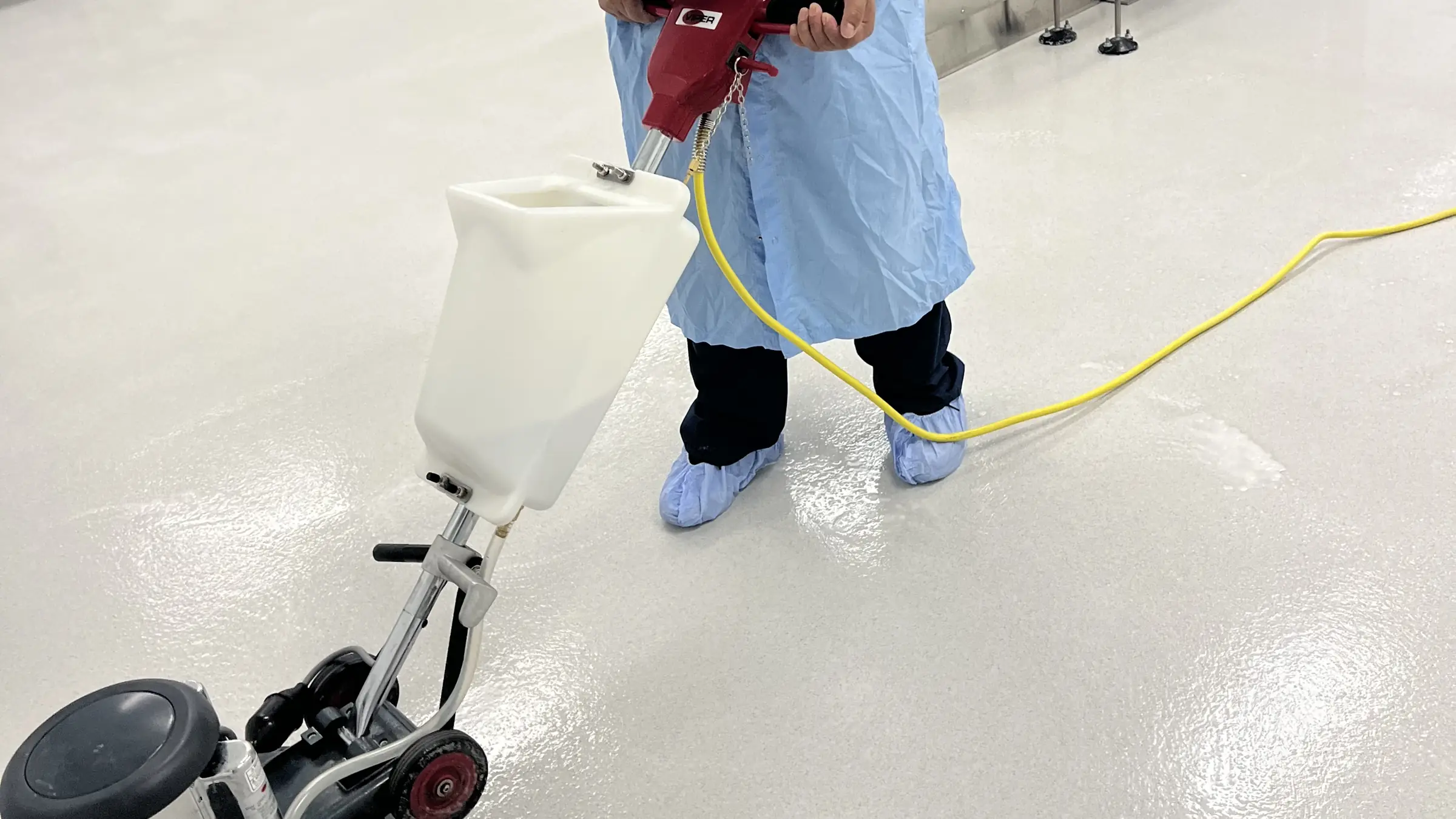
Onboarding a new cleaning crew in a GMP facility means training them to your SOPs, qualifying them on your gowning procedure, and supervising their first shifts before they work alone, with a training record for every step. The crew works inside your quality system. The onboarding plan should be written so QA can sign it off before the first person badges in.
We have seen this go well and go badly. The difference is almost always whether the plan was written down before day one.
Who owns the onboarding plan?
Your quality unit does. The cleaning vendor supplies people, supervision and its own safety training, but the facility decides what "trained" means for its rooms. That includes which SOPs each person must read, how gowning is qualified, and where the records live.
A good vendor will ask for this early. If the vendor shows up with its own generic program and no questions about yours, that is a warning sign. For drug manufacturing, 21 CFR 211.25 requires personnel to have training in the particular operations they perform and in current good manufacturing practice, on a continuing basis (eCFR). How your site applies that to contract cleaners is a QA decision, and it should be settled before the crew starts.
What should the crew read before the first shift?
Start with the documents that govern their actual work, not the whole SOP library. Most plans include:
- Cleaning and sanitation SOPs for each area the crew will touch
- Area classification map and the flow rules between zones
- Approved chemicals, dilutions, contact times and rotation schedule
- Equipment and tool segregation rules (which mops, carts and cloths go where)
- Cleaning log format and how entries are made and corrected
- Deviation and incident reporting: who to tell and how fast
Each read should end with a signature on a training record. Many sites add a short quiz or a verbal check by the trainer. If you want a refresher on what those SOPs and logs typically contain, our guide to GMP cleaning requirements walks through it.
How should gowning qualification work?
Gowning is a skill, not a reading assignment. Most sites qualify it through a demonstration: the trainee gowns while a trainer watches, often followed by glove or garment sampling if the site's program calls for it. Under 21 CFR 211.28, personnel must wear clean clothing appropriate for their duties and use protective apparel as needed to protect the product from contamination (eCFR).
Practical points we see matter:
- Practice gowning at least once before the qualification attempt
- Teach the order of operations at each airlock, not just the garments
- Cover what to do if a glove tears or a garment is compromised mid-shift
- Know the requalification interval and put it on the vendor's calendar
How many supervised shifts are enough?
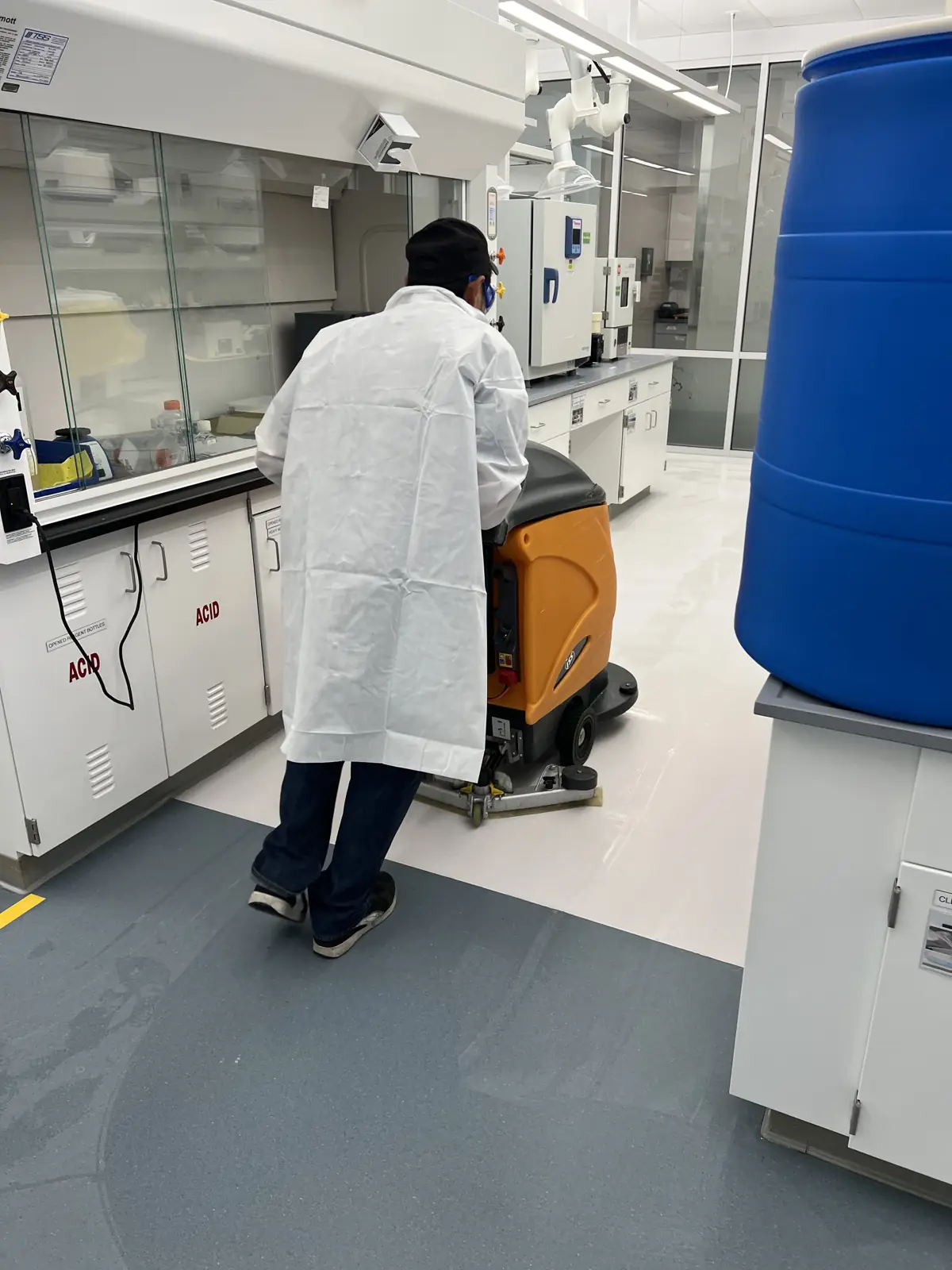
There is no single number. It depends on how many areas the person will clean and how different those areas are. Most plans set a minimum number of shadowed shifts per area, then a sign-off by the site trainer or the vendor's qualified lead.
We prefer to start new crew members in the least critical areas first. Offices, locker rooms and corridors let them learn the building, the logs and the people before they enter a classified room. Then move inward one area at a time.
What documentation will QA want to see?
At minimum, a training matrix: each crew member, each required SOP or skill, the date trained, who trained them and the signature. Add gowning qualification dates and requalification due dates. Keep a current roster so QA can match the name on any cleaning log entry to a trained person.
When a crew member leaves or a new one is added, the matrix should change the same week. Gaps here are easy for an auditor to find, because the log entries and the training records either line up or they don't. Our post on prepping for an audit covers the records side in more detail.
What about backups and turnover?
Plan for it from the start. A crew that only has the exact number of trained people for the schedule will fail the first time someone is sick. Ask the vendor how many backups it will qualify per shift, and qualify them on the same plan as the primary crew.
Also agree on how SOP revisions reach the crew. When your document changes, the vendor needs to know, retrain and update the matrix before the new version takes effect.
Where Nexara fits
Nexara is not GMP-certified or FDA-registered, and we don't claim to be. We work inside your SOPs and your quality system, train crews to your requirements and keep the roster and records your QA team asks for. If you're bringing in a new crew, request a walkthrough and we'll go through the onboarding plan with you. More on our approach to GMP and regulated facilities.
Questions we get asked.
How long does it take to onboard a cleaning crew in a GMP facility?
It depends on the site's SOPs and how many classified areas the crew will work in. Most onboarding plans include classroom review, gowning qualification and several supervised shifts before anyone works unescorted, so plan for weeks, not days.
Who owns the training records for a contract cleaning crew?
The facility's quality unit typically decides where training records live and what they must contain. Many sites keep the official record in their own system, with the vendor holding copies and its own crew roster.
Can a cleaning crew start work before gowning qualification is complete?
Not in the areas that require it. Most sites let new crew members work in unclassified areas, such as offices and break rooms, while their gowning and area training is still in progress.